 Genius Asian
 Leaf Lease Lessons Learned
Leaf Lease Lessons Learned: Everything About Getting a Nissan Leaf
Key Takeaways
- Leasing an EV has unique variables compared to a cash purchase, making comparison more complex
- Even experienced car buyers can encounter surprise price increases and hidden terms at the dealership
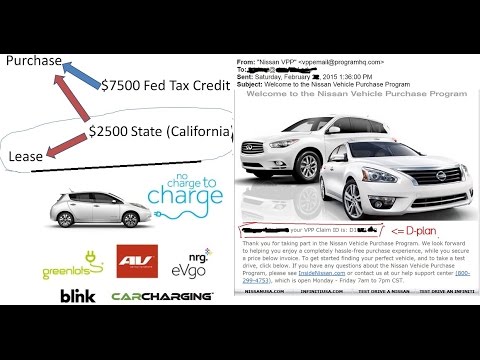
- Federal tax credits ($7,500) and state rebates (e.g., $2,500 in California) significantly reduce the effective cost
- EV cars eliminate five major maintenance costs: engine oil, transmission oil, air filter, fuel filter, and smog checks
- VPP pricing, employee plans, and dealership programs can further reduce costs if you qualify
The Story
The title is a tongue twister, but getting a new Nissan Leaf turned out to be harder than saying it. Despite being experienced at negotiating car deals, mistakes were still made. The process was quick — sending a price inquiry one day and completing the test drive and purchase the next — but speed came at the cost of preparation.
An unexpected price increase and a couple of other surprises during the transaction provided valuable lessons. This video shares everything about getting a Nissan Leaf, whether leasing or purchasing, so that viewers can avoid the same pitfalls.
Lease vs. Purchase
For a cash purchase, comparison shopping is straightforward: compare out-the-door prices and pick the lowest. For an electric vehicle, however, there are compelling reasons to lease rather than buy. EV technology evolves rapidly, and battery range improves with each model year. Leasing lets you upgrade to better technology every few years. Additionally, the federal tax credit structure may favor leasing depending on your tax situation.
But leasing introduces more variables to compare: monthly payment, money factor (interest rate equivalent), residual value, allowed mileage, down payment requirements, and various fees. Understanding these terms is essential to evaluating whether a lease deal is genuinely good.
Available Incentives
Several financial incentives can significantly reduce the cost of a Nissan Leaf. The federal tax credit of $7,500 reduces tax liability for purchasers. California offers an additional $2,500 state rebate. Nissan’s No Charge to Charge Program provides free public charging for participating stations. PG&E and other utilities offer off-peak rate discounts for EV charging at home. Free metered parking may be available in some cities, and carpool lane access stickers provide daily commute benefits.
Five Benefits of EV Ownership
Beyond the purchase price, EV cars save money on maintenance by eliminating: engine oil changes, transmission fluid service, air filter replacement, fuel filter replacement, and annual smog checks. These savings accumulate significantly over the life of the vehicle.
The Evolving EV Charging Landscape
The electric vehicle charging infrastructure continues to expand and improve. New charging networks are being built, existing stations are being upgraded to faster speeds, and the user experience is gradually becoming more standardized. Payment systems are moving toward simpler tap-to-pay methods, and apps now provide real-time availability information that reduces the frustration of arriving at an occupied or broken station.
For new EV owners, the learning curve is steeper than it needs to be. Each charging network still has its own authentication system and interface quirks. Connector standards vary between manufacturers (CHAdeMO, CCS, Tesla). Pricing structures range from per-kilowatt-hour to per-minute to session-based. Taking time to learn these differences before you need to charge in a hurry saves significant frustration.
Home charging remains the most convenient and cost-effective option for most EV owners. Installing a Level 2 charger in your garage, powered by a dedicated 240-volt circuit, provides overnight charging that covers the vast majority of daily driving needs. Public charging then becomes supplementary rather than primary, reducing the stress of relying on an imperfect public network. For more car-related content, check out our guide on changing transmission fluid or learn about replacing front brake pads.