 Genius Asian
 Nissan's EZ-Charge Problem (First 2 Years Free No Charge to Charge Program)
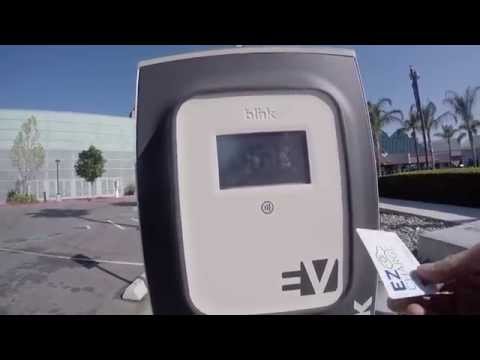
Nissan’s EZ-Charge Problem: When Free Charging Is Not Actually Free
Key Takeaways
- Nissan’s “No Charge to Charge” program promises free public charging for the first two years of ownership
- The first attempt to use the program did not work — the charging was not free as promised
- Setting up accounts with multiple provider networks (including providing credit card information) is required
- Even after proper sign-up, the charging station displayed a cost rather than showing free
- Contacting support proved slow and frustrating, with delayed responses
The Promise vs. Reality
One of the selling points of a new Nissan Leaf is the “No Charge to Charge” program, which promises two years of free public charging at participating stations. The idea is simple: buy or lease a Leaf, sign up for the program, and charge for free at a network of stations across the country.
The reality proved more complicated. After signing up with all required provider networks and providing credit card information, the first attempt at using a charging station still showed a cost. The display indicated $0.49 — hardly “no charge.”
The Setup Confusion
The program requires registration with multiple charging networks. Each network has its own sign-up process, app, and authentication method. For Blink chargers specifically, there was confusion about whether to use a Blink card or associate the “No Charge to Charge” card with the Blink account. This kind of cross-network confusion is a common pain point in the early EV charging ecosystem.
Seeking Help
After the failed attempt, an email was sent to the EZ-Charge support address. As of the video’s recording, a week had passed with no reply. This lack of responsive support is particularly frustrating for new EV owners trying to use a benefit that was part of their purchase decision.
Lessons for EV Buyers
Verify that the free charging program is working before you need to rely on it. Test it at a station near home before assuming it will work when you are far from home with a low battery. Keep your credit card on file as a backup, and save all confirmation emails and account numbers for troubleshooting.
The Evolving EV Charging Landscape
The electric vehicle charging infrastructure continues to expand and improve. New charging networks are being built, existing stations are being upgraded to faster speeds, and the user experience is gradually becoming more standardized. Payment systems are moving toward simpler tap-to-pay methods, and apps now provide real-time availability information that reduces the frustration of arriving at an occupied or broken station.
For new EV owners, the learning curve is steeper than it needs to be. Each charging network still has its own authentication system and interface quirks. Connector standards vary between manufacturers (CHAdeMO, CCS, Tesla). Pricing structures range from per-kilowatt-hour to per-minute to session-based. Taking time to learn these differences before you need to charge in a hurry saves significant frustration.
Home charging remains the most convenient and cost-effective option for most EV owners. Installing a Level 2 charger in your garage, powered by a dedicated 240-volt circuit, provides overnight charging that covers the vast majority of daily driving needs. Public charging then becomes supplementary rather than primary, reducing the stress of relying on an imperfect public network. For more EV and car content, check out our guide on changing transmission fluid or learn about replacing front brake pads.