 Genius Asian
 Open A Coconut Cleanly, Safely, and Easily
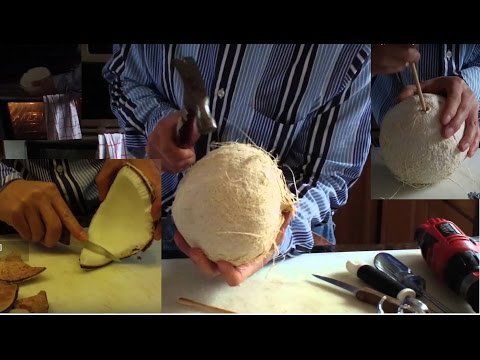
How to Open a Coconut Cleanly, Safely, and Easily
Key Takeaways
- Always drain the coconut water before splitting it open
- The coconut has two “eyes” and one “mouth” (the germination pore) — the soft spot is your entry point
- Multiple safe methods exist using common household tools like a corkscrew, chopstick, knife, or screwdriver
- Avoid methods that risk cutting your fingers — safer alternatives produce equally good results
- Heat and freezer methods can make the shell easier to crack
The Anatomy of a Coconut
Before attempting to open a coconut, understand its structure. The brown, hairy shell has three circular marks on one end. Two are hard and thick, while the third (the germination pore or “mouth”) is softer and thinner. To identify it, press each spot with your thumb. The soft one gives slightly under pressure.
Step 1: Drain the Coconut Water
You must drain the coconut before splitting it. If you skip this step, water splashes everywhere when the shell cracks. A corkscrew is perhaps the easiest tool — twist it into the soft spot, pull it out, and turn the coconut upside down over a glass. A chopstick, screwdriver, or knife tip also work. Poke a second hole in one of the other eyes to break the vacuum and speed drainage.
Step 2: Crack the Shell
The Hammer Method: Hold the coconut and tap firmly around its equator with a hammer. Rotate and keep tapping in a line. A crack forms and the coconut splits into halves.
The Heat Method: Place the drained coconut in an oven at 375 degrees for about 15 minutes. The heat causes the shell to crack on its own. Remove carefully and tap gently.
The Freezer Method: Place the drained coconut in the freezer for several hours. The cold makes the shell brittle and easier to crack.
Step 3: Extract the Meat
Use a butter knife or spoon to pry the white meat away from the shell. If stubbornly attached, briefly return halves to the oven or freezer to loosen the bond. The thin brown skin on the meat is edible but can be peeled with a vegetable peeler.
Safety First
Do not use a large knife or machete indoors — this is how most coconut injuries happen. The round shell makes knives slip dangerously. The methods above are all safer and produce equally good results.
Kitchen Skills That Save Time and Money
Developing practical kitchen skills for preparing fruits, vegetables, and other ingredients saves both time and money. When you know efficient techniques for cutting, peeling, and serving, you waste less food, spend less time on preparation, and produce more attractive results. These skills also make cooking more enjoyable because you feel competent and confident in the kitchen.
Practice makes these techniques feel natural. The first time you try a new cutting method it may feel awkward and slow. By the fifth or tenth time, it becomes second nature. Invest the learning time now and you will benefit for the rest of your life. Share these skills with family members, especially children, who will carry them into their own kitchens. For more kitchen tips, see our guide on how to peel garlic easily without special tools or check out preparing for Europe travel.