 Genius Asian
 Save Money: Paint And Fix Your Car For The Lowest Cost
Save Money: Paint And Fix Your Car For The Lowest Cost
Professional auto paint jobs can cost hundreds or even thousands of dollars, but not every scratch or damaged panel needs that level of treatment. In this video, Dr. David Zhang demonstrates the cheapest approach to painting and fixing car body damage, specifically aimed at achieving a result that is good enough to pass a lease inspection without breaking the bank.
The Practical Goal
Dr. Zhang is clear about the objective: this is not about achieving a factory-perfect finish. The goal is to present the minimum investment needed to fix visible damage so that your leased vehicle passes its end-of-lease inspection. If you do not fix the damage on a leased car, the lease company will charge you a premium that far exceeds the cost of a basic DIY repair.
Touch-Up Paint vs. Spray Paint
Conventional wisdom suggests that spray paint provides a better finish than touch-up paint. However, Dr. Zhang argues that starting with touch-up paint is actually the smarter approach. If the spray job goes wrong, you end up with a larger mess that is harder to fix. Touch-up paint, on the other hand, can be easily removed and reapplied if the color does not match.
The key insight is that even when you buy touch-up paint based on the exact color code for your vehicle, the color may not match perfectly. Paint fades over time due to sun exposure, and factory color codes represent the original shade, not the current weathered tone.
Dealing with Color Mismatch
Dr. Zhang shows what to do when your touch-up paint does not match. First, examine the paint under different lighting conditions. The same paint can look like a perfect match in shade but appear noticeably different in direct sunlight. Before deciding the color is wrong, view it at different times of day.
If the color genuinely does not match, remove the touch-up paint, adjust by mixing or selecting a different shade, and experiment again. The beauty of the touch-up paint approach is that each attempt is inexpensive and fully reversible.
Different Solutions for Different Scratches
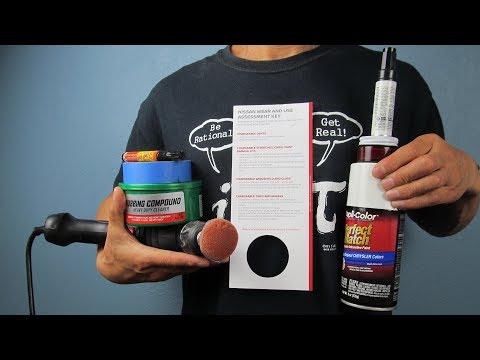
Depending on the type and severity of damage, different products are appropriate. Rubbing compound works for surface scratches that have not penetrated the clear coat. A repair pen handles small chips and narrow scratches effectively. Clear spray is used to seal and protect the repair after touch-up paint has been applied.
DIY Buffer Trick
Professional-grade buffers are expensive, but Dr. Zhang shows how to create a makeshift buffer using tools you already have in the garage. This DIY approach achieves surprisingly good results for blending repaired areas into the surrounding paint.
For related automotive repair guides, check out our articles on windshield crack repair and replacing Dodge Caravan front brake pads. These share the same cost-saving philosophy of doing it yourself with affordable materials.
The bottom line is that you do not need to spend hundreds of dollars to fix cosmetic car damage. With touch-up paint, a rubbing compound, and some patience, you can achieve results that look acceptable and pass inspection at a fraction of the professional cost.