 Genius Asian
 Ping Pong 2013, Sally Su vs James Nguyen
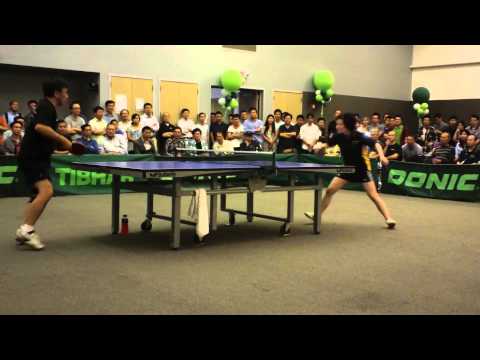
Ping Pong 2013: Sally Su vs James Nguyen Match Highlights
Key Takeaways
- This video captures a competitive table tennis match between Sally Su and James Nguyen
- Table tennis is one of the most popular sports in Chinese American community events
- The match showcases the speed, skill, and strategy that make competitive ping pong exciting to watch
- Community sporting events build connections and celebrate athletic achievement
- Ping pong develops hand-eye coordination, reflexes, and strategic thinking
What This Video Shows
This video documents a table tennis match between Sally Su and James Nguyen, captured during a 2013 community sporting event. Table tennis, or ping pong, is one of the most widely played sports in Chinese American communities, and competitive matches like this one showcase the remarkable skill and speed that the sport demands.
The match demonstrates why table tennis is often described as “chess at 100 miles per hour” — players must make split-second tactical decisions while executing precise physical movements.
The Appeal of Competitive Table Tennis
Table tennis at the competitive level bears little resemblance to the casual basement ping pong most people are familiar with. The speed of play, the spin variations, the tactical depth, and the physical demands make it a legitimate athletic competition.
Key elements visible in this match:
- Spin: Advanced players apply various spins that make the ball curve and bounce unpredictably
- Speed: Exchanges happen so fast that reaction time is measured in fractions of a second
- Placement: Precise control over where the ball lands creates offensive opportunities
- Strategy: Every shot sets up the next one in a continuous chess match
Community Sports Culture
Matches like this one happen regularly at Chinese American community events across Northern California. These events serve multiple purposes: competitive outlet, social gathering, cultural celebration, and community building.
The Role of Community Events
Events like the one captured in this video serve purposes that go beyond their immediate activity. They create spaces where shared experience builds lasting connections.
Bridging Generations: Community events bring together people of different ages who might not otherwise interact. Young people learn from elders, and elders are energized by the vitality of youth. These intergenerational connections strengthen the community as a whole.
Preserving Culture: Activities practiced and celebrated in community settings are more likely to be passed on to the next generation. What is shared is remembered; what is isolated is forgotten.
Building Identity: Participating in community events helps people connect with their heritage and develop a sense of belonging. This is particularly valuable for immigrant communities maintaining connections to their cultural roots while building new lives.
Creating Memories: The moments captured in these videos become part of the shared memory of a community. Years later, participants can revisit these recordings and remember not just what happened but how it felt to be part of something larger than themselves.
Table Tennis as Cross-Training
Interestingly, many Tai Chi practitioners also enjoy table tennis. The two activities share more than you might expect: both require quick reflexes, precise hand-eye coordination, strategic thinking, and the ability to read an opponent’s intentions. The rapid pace of table tennis develops a different kind of awareness than the slow deliberateness of Tai Chi, but the two complement each other surprisingly well in building overall physical and mental agility. For more community event coverage, see the Chinese American Olympics Opening Ceremony. For activities that develop similar reflexes and awareness, explore the Tai Chi push hands series.