 Genius Asian
 Tips for What To Do & How To for a Short visit to Mount Etna of Sicily
Tips for a Short Visit to Mount Etna, Sicily: What To Do and What To Expect
Key Takeaways
- Mount Etna is one of the most active volcanoes in the world and is accessible for short visits, even on a cruise port day from Messina.
- You can walk right up to side-vent craters and see the volcanic landscape up close, including black, red, and gray lava fields.
- Collecting lava rocks as souvenirs is encouraged on Etna, with no restrictions. Just be mindful of your luggage weight for the flight home.
- The fertile volcanic soil on Etna’s lower slopes supports local agriculture, including honey, wine grapes, and orchards.
- Wear sturdy shoes, bring layers for the cooler temperatures at higher elevations, and carry water.
What Is Mount Etna?
Mount Etna dominates the eastern coast of Sicily. Rising to roughly 3,350 meters (about 11,000 feet), it is the tallest active volcano in Europe and one of the most active in the entire world. Located near the city of Catania and easily reachable from the port city of Messina, Etna is a stratovolcano, built from layer upon layer of lava, ash, and volcanic debris accumulated over hundreds of thousands of years.
What sets Etna apart from many other famous volcanoes is its accessibility. This is not a distant peak you admire from afar. Guided tours bring visitors up the mountain’s flanks to walk among craters, traverse old lava flows, and stand on terrain that was molten rock within living memory. The volcano is in a near-constant state of activity, with minor eruptions, steam emissions, and lava flows happening regularly. When we visited, we could see steam rising from the summit craters, a quiet but powerful reminder that this mountain is very much alive.
Getting to Mount Etna
Most visitors to Mount Etna arrive as part of an organized excursion, either from a cruise ship docked at Messina or from a hotel in Catania or Taormina. Bus tours are the most common option and typically take about 90 minutes from Messina to reach the mountain’s accessible areas.
If you are arriving by cruise ship, shore excursions to Mount Etna are among the most popular options offered. These generally run as half-day trips, giving you several hours on the mountain before returning to the ship. Independent travelers can also arrange private guides or drive up to the Rifugio Sapienza area on the south side, where cable cars and off-road vehicles provide further access to the higher elevations.
The road up Etna winds through increasingly dramatic terrain. You start in the lush, cultivated lower slopes where vineyards and orchards thrive in the rich volcanic soil. As you climb, the vegetation thins, and the landscape transitions to barren lava fields, a stark moonscape of black and gray rock that stretches in every direction.
Exploring the Craters
The highlight of any Etna visit is getting close to the craters. While the active summit craters are usually off-limits for safety reasons, there are numerous side vents and extinct craters that visitors can approach and even walk into.
What You Will See
The side-vent craters are essentially circular depressions in the mountainside, remnants of past eruptions that blew open the volcanic flanks. Looking down into one of these craters, you see walls of volcanic rock in shades of black, red, and gray. Some craters have been completely sealed by subsequent lava flows, while others remain as open depressions with rubble-strewn floors where visitors can walk around.
The rock at different points on the mountain changes dramatically in color and texture. Near fresh lava flows, the rock is jet black and glassy. In areas where iron has oxidized, it turns rust-red. Gray zones indicate older flows where weathering has begun to break down the rock surface. The variety is striking and gives you a visceral understanding of how the mountain is constantly reshaping itself.
Walking on an Active Volcano
There is something profoundly humbling about walking on the slopes of an active volcano. The ground beneath your feet is made entirely of material that was once molten, forced up from deep within the Earth. At higher elevations, you may feel the warmth of the ground through your shoes, smell the sulfurous gases venting through cracks, and hear the occasional rumble that reminds you this mountain is far from dormant.
The guides are knowledgeable and accustomed to managing visitors safely. They will keep you well away from any areas of active danger while still giving you an experience that feels adventurous and immediate. Listen to their instructions, stay on marked paths, and do not wander off on your own.
Collecting Souvenirs: Lava Rocks from Etna
One of the unique perks of visiting Mount Etna is that you are actively encouraged to take lava rocks home as souvenirs. Our guide put it plainly: “Take as many stones as you can carry. There are no limits.”
This is notable because many volcanic sites around the world prohibit or discourage rock collection. At some volcanoes, local superstitions warn that removing rocks will bring bad luck. On Etna, there is no such tradition. The volcano produces such an enormous volume of material with each eruption that the supply is effectively infinite.
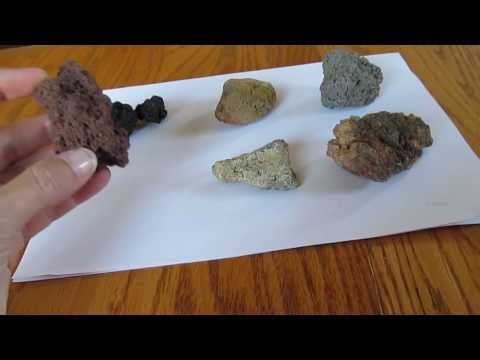
The rocks themselves are fascinating. Lava rock is porous, full of tiny holes left by gas bubbles that were trapped inside the cooling lava. They come in a surprising range of colors:
- Black: Standard basaltic lava, the most common type
- Reddish: Caused by iron oxidation, essentially rust
- Yellowish: Sulfur deposits from volcanic gases
- Mottled: Mixed mineral compositions creating multi-colored patterns
For a detailed look at the different types of rocks you can collect and what they mean geologically, see our article on rocks from Mount Etna.
Practical tip: Volcanic rocks may be lighter than normal rocks, but they add up. If you are flying home, pick smaller specimens to avoid exceeding your luggage weight allowance. Pack them in your checked baggage, wrapped individually so they do not scratch each other or your belongings.
Local Products: Honey and Agricultural Goods
Etna’s volcanic soil is extraordinarily fertile, and the lower slopes support a thriving agricultural economy. During your visit, you will likely encounter vendors selling local products, and these make excellent souvenirs and gifts.
Etna honey is particularly prized. The bees on Etna’s slopes have access to a unique range of wildflowers that grow in the volcanic soil, producing honey with distinctive flavors you will not find elsewhere. Chestnut honey and citrus blossom honey are among the most common varieties.
Etna wines have gained international recognition. The volcanic terroir gives the grapes a mineral quality that wine critics love. Look for Etna Rosso (red) and Etna Bianco (white) from local producers. These wines are increasingly available internationally, but buying a bottle at the source is a special experience.
You may also find olive oil, pistachios from nearby Bronte (famous for having some of the best pistachios in the world), and preserved fruits and jams made from local citrus.
Practical Tips for Your Visit
What To Wear
Temperature drops significantly as you climb Etna. Even on a hot summer day at sea level, the upper elevations can be windy and cool. Bring layers: a light jacket or windbreaker is essential. The terrain is rough and uneven, so wear sturdy closed-toe shoes with good grip. Sneakers with thick soles are adequate; sandals and flip-flops are not.
What To Bring
- Water: Bring at least one full bottle per person. There are limited facilities on the upper mountain.
- Sunscreen and sunglasses: The UV exposure is stronger at altitude, and there is little shade on the lava fields.
- A hat: Both for sun protection and warmth, depending on conditions.
- Camera: The views are spectacular in every direction, stretching across Sicily to the Mediterranean.
Health Considerations
If you are prone to motion sickness, take medication before the bus ride up. The road to Etna is winding and the ride can be rough. The altitude is not extreme enough to cause altitude sickness for most people, but anyone with respiratory issues should be aware that sulfurous gases near vents may cause irritation.
For general advice on what to pack and how to prepare for a Mediterranean trip, check out our guide on preparing for Europe travel.
Why Mount Etna Is Worth Your Time
A visit to Mount Etna is one of those travel experiences that stays with you. It is not a museum or a monument. It is a living, breathing geological force that has been shaping Sicily for hundreds of thousands of years. Standing on its slopes, looking down into a crater, picking up a rock that was once molten lava, you are connecting with the raw power of the planet in a way that no photograph or documentary can replicate.
Even on a short visit, a half-day excursion from a cruise port, Etna delivers an experience that is equal parts educational, humbling, and thrilling. Make the trip. You will not regret it.
Sources
- Original video on Genius Asian YouTube channel — full video demonstration and walkthrough.
- Visit Sicily Official Tourism — official tourism information for Mount Etna, Messina, and Sicilian attractions.