
video

Question: How does the Adjustable Toilet Flapper Work?
By Genius Asian Updated

Question: How does the Adjustable Toilet Flapper Work?

Key Takeaways

  • This big mystery puzzled me for weeks
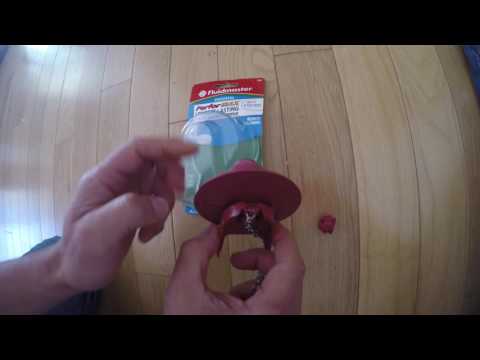
  • I bought an adjustable flapper ($5 Universal PerforMAX High Performance Toilet Flapper water saving flapper)
  • It has an adjustable dial for a customized water use per flush
  • But I can’t figure out why it should work
  • It looks symmetrical when adjusted from min to max

Why This Matters

This big mystery puzzled me for weeks

  • I bought an adjustable flapper ($5 Universal PerforMAX High Performance Toilet Flapper water saving flapper)
  • It has an adjustable dial for a customized water use per flush
  • But I can’t figure out why it should work
  • It looks symmetrical when adjusted from min to max

Understanding the Basics

The PerforMAX Universal High Performance toilet flapper (about $5) is one of the most common adjustable flappers sold at hardware stores. It replaces your standard flapper and features a numbered dial on top. The concept is straightforward: dial a lower number for less water per flush (saving water), or a higher number for more water (stronger flush). But the engineering principle behind it is not at all obvious from visual inspection.

The DIY Advantage

If the adjustable mechanism does not actually work, you have wasted $5 and your time. If it does work but you do not understand how, you cannot troubleshoot it when something goes wrong. Understanding the mechanism lets you use the product effectively and even improvise alternatives.

Tips for Best Results

Before purchasing an adjustable flapper, verify that your toilet’s flush valve seat is compatible — most are standard 2-inch or 3-inch. When installing, make sure the flapper chain has about half an inch of slack when the flapper is closed. Start at the lowest setting and test with each flush, increasing the dial number if the flush is insufficient.

Frequently Asked Questions

Can I do this myself without professional help?

Absolutely. The techniques and methods covered in this guide are specifically designed for people who want to handle things themselves without expensive professional services. You do not need specialized training or professional-grade equipment. Basic household tools and common materials are sufficient for the vast majority of situations described here. The key is to follow the steps carefully, take your time during the preparation phase, and not rush through any critical steps. Most people find that their first attempt takes somewhat longer than expected, but each subsequent attempt becomes significantly faster and more confident as the process becomes second nature. The initial investment of learning time pays dividends every time you need to repeat the task.

What kind of cost savings can I expect?

The savings from a do-it-yourself approach are substantial compared to hiring professionals. Depending on your location and the specific task involved, DIY methods typically reduce costs by 50 to 80 percent relative to professional service fees. In many cases, the materials you need are inexpensive and widely available at hardware stores, home improvement centers, or online retailers. Beyond the immediate dollar savings, you gain the independence of being able to handle the situation on your own schedule, without waiting for appointments, service windows, or contractor availability. Over time, these savings compound significantly, especially for tasks that need to be repeated periodically.

What should I do if something does not go as planned?

Starting with a low-risk practice run whenever possible is always a good strategy. Before beginning the actual task, read through or watch the complete procedure so you understand what to expect at each stage. This advance preparation helps you anticipate potential complications and have backup materials ready. Most mistakes in DIY projects are fully recoverable if you catch them early. The most important habit is to stop and reassess if something looks or feels wrong, rather than pushing forward and compounding the problem. If you reach a point where you are truly uncertain about how to proceed safely, consulting a professional for targeted advice is always a reasonable option.

Safety and Best Practices

Safety should always be your top priority during any hands-on project. Wearing appropriate protective equipment for the specific task is essential. This includes safety glasses for any work involving cutting, drilling, grinding, or chemical handling. Gloves protect your hands when dealing with sharp objects, hot surfaces, or irritating substances. Work in a well-ventilated area whenever adhesives, solvents, paints, or other chemical products are involved.

Keep your workspace clean and organized throughout the project. A cluttered work area leads to misplaced tools, tripping hazards, and accidental damage to both the project and your surroundings. If your work involves any electrical components, always verify that the power source is disconnected before touching any wires or connections. Water and plumbing work requires shutting off the relevant supply valves before disassembly.

Take breaks during longer projects to maintain focus and avoid fatigue-related mistakes. Document your progress with photos, especially before disassembling anything complex, so you have a clear reference for reassembly. Store small parts like screws, clips, and fasteners in labeled containers to prevent loss. When working at heights, follow the four-to-one ladder rule and always maintain three points of contact. If any aspect of the project feels beyond your comfort level or involves potential safety hazards you are not confident managing, there is no shame in calling a professional for that specific portion of the work.

More Practical Guides

The quest to understand how this deceptively simple device works led to a deeper understanding of toilet mechanics that applies to many other water-saving modifications. For more hands-on tutorials, check out our guides on bathtub caulking and peeling garlic easily without special tools. Each one follows the same practical, no-nonsense approach to help you save money and build useful skills.

Watch on YouTube →