 Genius Asian
 Reading Car Owner's Manual For Busy Owners
Reading Your Car Owner’s Manual: A Quick Guide for Busy People
Key Takeaways
- Modern car owner’s manuals are extremely thick, and most people never read them — but there are a few critical sections you should know
- The keyless entry system has a hidden mechanical key for emergencies — press the button on the fob to release it
- Understanding basic features like cruise control, the tire pressure monitoring system, and dashboard warning lights can prevent unnecessary stress and shop visits
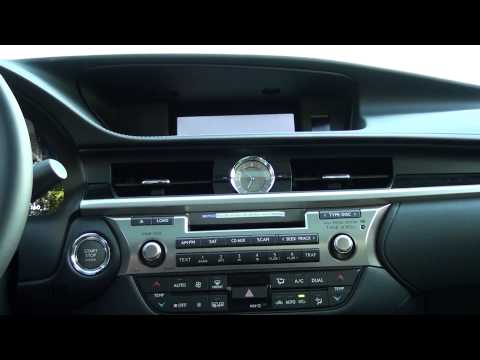
- This video covers a Lexus ES350 (2014), but many features are similar across modern vehicles
- Watching a quick video summary is much faster than reading hundreds of pages
Why You Should Care About the Manual
Old cars came with thin owner’s manuals that you could flip through in 15 minutes. Modern cars like the Lexus ES350 come with manuals that are hundreds of pages thick, covering every system, feature, and setting in exhaustive detail. Realistically, most people never open the manual. If this is not your first car, you probably figure you already know how cars work.
But modern cars have features that are not intuitive, and some of them are important to know about before you actually need them. This video distills the most essential information from the Lexus ES350 manual into a few minutes of practical knowledge.
The Keyless System and Hidden Mechanical Key
Modern keyless entry systems are convenient — you keep the fob in your pocket and the car unlocks when you approach. But what happens when the fob battery dies?
Inside the key fob, there is a hidden mechanical key. Press a small button on the fob and the mechanical key slides out. This physical key can unlock the driver’s door manually and, on some models, start the engine through a traditional key slot hidden behind a panel on the dashboard or steering column.
The important step: keep the mechanical key accessible. Some people keep it on a separate keychain as an emergency backup.
Dashboard Warning Lights and What They Mean
One of the most valuable sections of any owner’s manual is the dashboard warning lights guide. Modern vehicles have dozens of warning indicators, and many of them look similar. Knowing the difference between a critical warning (red) and an informational indicator (yellow or green) can save you from unnecessary panic — or from ignoring a serious problem.
Key lights to know:
- Red indicators: Stop driving as soon as it is safe. These include oil pressure, engine temperature, and brake system warnings
- Yellow/amber indicators: The car needs attention soon but is not in immediate danger. These include check engine, tire pressure, and maintenance reminders
- Green/blue indicators: Informational only. Turn signals, high beams, cruise control active, and similar
Cruise Control and Drive Modes
If you have not used cruise control before, or if your new car has adaptive cruise control, the manual explains how to set it, adjust speed, and cancel it. This is one of those features that is simple once you know the controls but confusing if you are pressing buttons randomly while driving.
Similarly, many modern cars have selectable drive modes (Eco, Normal, Sport). Understanding what these modes change — throttle response, transmission shift points, steering weight — helps you choose the right mode for your driving situation.
Tire Pressure Monitoring System (TPMS)
The TPMS light is one of the most common warning lights that confuses new owners. When it illuminates, it means one or more tires are below the recommended pressure. This does not necessarily mean you have a flat — temperature changes alone can trigger it. But you should check and adjust your tire pressures soon.
The recommended pressures are printed on a sticker inside the driver’s door jamb, not on the tire sidewall (that number is the maximum pressure, not the recommended daily driving pressure).
Maintenance Schedule
The back of the manual contains the maintenance schedule. This tells you when to change the oil, rotate the tires, replace brake fluid, change the transmission fluid, and perform other services based on mileage or time intervals. Following this schedule is the single best thing you can do to extend the life of your vehicle and maintain its resale value.
The Bottom Line
You do not need to read the entire owner’s manual cover to cover. But spending 15 to 20 minutes reviewing the key sections — emergency key access, warning lights, basic controls, and the maintenance schedule — is time well invested. It could save you from a stressful roadside situation or an unnecessary trip to the dealership.
For more practical car maintenance guides, check out our articles on how to turn off the Honda Accord maintenance light and how to bleed brake fluid.