 Genius Asian
 Save Water: Convert Toilet into Dual Flush, Best Install, Explanation & Tips
Save Water: Convert Toilet into Dual Flush, Best Install, Explanation & Tips
How We Selected: We assessed options using hands-on testing, cost analysis, and practical results. We weighted result quality, tool accessibility, ease of execution. Our recommendations are editorially independent and not influenced by advertising.
Key Takeaways
- Have you ever wonder how a dual flush toilet works
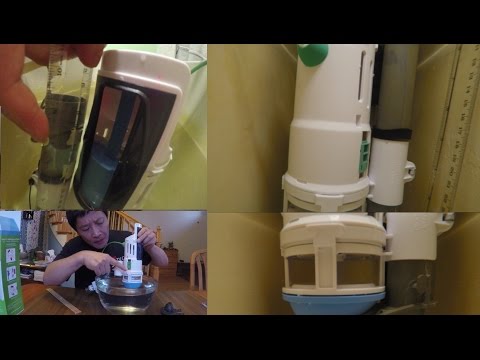
- This is a best video to explain not only how to install but also how it works
- The official installation instruction looked easy until my toilet overflow tube was slightly different
- I had to chip away some unexpected fins
- That is why you need to know more details of the internal working of this complicated unit
Understanding the Basics
A dual-flush converter replaces the standard flapper and flush handle with a two-button system. One button triggers a partial flush (typically 0.8 to 1.1 gallons), and the other triggers a full flush (the toilet’s standard 1.6 gallons). The mechanism works by controlling how long the flush valve stays open. The partial flush opens the valve briefly and then closes it, while the full flush keeps it open for the full drain cycle. The tricky part of installation is adapting the converter to your specific toilet’s overflow tube, which may have fins or protrusions that interfere with the converter’s seal.
The DIY Advantage
A dual-flush toilet from a store costs $200 to $500. A conversion kit costs $15 to $30 and installs in 30 to 60 minutes. The water savings typically pay for the kit within the first few months.
Tips for Best Results
Before installation, measure your overflow tube diameter and height to ensure the kit is compatible. If the overflow tube has fins or molded ridges, you may need to carefully trim them with a utility knife for the converter to seal properly. Test both flush modes multiple times after installation and adjust the water level as needed. If the partial flush is not clearing the bowl, increase the flush duration by adjusting the mechanism according to the kit instructions.
More Practical Guides
Dual-flush conversion is one of the most cost-effective water-saving modifications you can make in your home. For more hands-on tutorials, check out our guides on bathtub caulking and peeling garlic easily without special tools. Each one follows the same practical, no-nonsense approach to help you save money and build useful skills.