 Genius Asian
 15 Ways To Not Smash Your Fingers With a Hammer
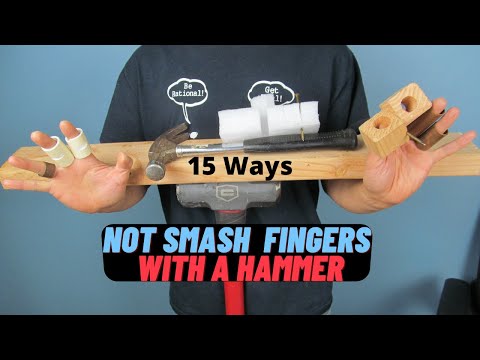
15 Ways To Not Smash Your Fingers With a Hammer
Smashing your fingers with a hammer is one of the most common DIY injuries, and it hurts far more than anyone who has not experienced it might imagine. After comprehensive research on this topic, including visiting the Hammer Museum in Alaska, Dr. David Zhang presents 15 practical techniques to protect your fingers. Several of these methods are original inventions that you will not find anywhere else.
A Systematic Approach
Rather than offering random tips, Dr. Zhang systematically analyzed the hammering process and identified the specific moments and conditions where finger injuries occur. By understanding why fingers get hit, you can choose the prevention method that best addresses your particular weakness, whether it is nail-starting difficulty, hand-eye coordination, fatigue, or working in awkward positions.
The Key Techniques
The first several methods are Dr. Zhang’s own inventions, designed to hold the nail securely without placing your fingers in the strike zone. These range from simple household item adaptations to purpose-built holding devices that cost nothing to make.
Other proven techniques include using a comb to hold the nail with the teeth gripping the nail shaft, using a clothespin as a nail holder, using a piece of cardboard with a hole punched through it to hold the nail upright, and magnetizing the hammer head so the nail stays in place during the first few taps.
For finishing nails and small brads that are too small to grip comfortably, needle-nose pliers provide an excellent grip while keeping your fingers well away from the hammer path. A beeswax or putty ball pressed onto the nail tip can also hold it steady.
Matching the Method to the Situation
Because there are many different nail sizes, surface hardnesses, construction environments, and individual skill levels, not every technique works equally well for every situation. Dr. Zhang encourages viewers to identify their own specific problem and choose the cheapest, easiest solution that fits.
For example, if you are working on a ceiling and hammering upward, the challenges are different than hammering horizontally into a wall stud. If you are fatigued at the end of a long day of work, your coordination decreases, making finger protection even more important.
Prevention Through Good Practice
Beyond specific holding techniques, Dr. Zhang emphasizes several universal best practices. Always be alert and focused when swinging a hammer. Maintain consistent execution rather than rushing. Take breaks when tired, as fatigue is a major contributor to missed strikes. Use the right size hammer for the job, as an oversized hammer is harder to control and an undersized one requires more force.
Starting the nail with light taps before committing to full swings is another fundamental technique. Most finger injuries happen during the initial taps when you are holding the nail in position.
For more home repair safety tips and techniques, check out our guides on how to do bathtub caulking and rearview mirror repair, both of which demonstrate practical approaches to common household maintenance tasks.
Whether you are a seasoned DIYer or a weekend home improver, these 15 techniques can save you from one of the most common and painful workshop injuries. Share this knowledge with fellow DIYers and help cure their pain.