 Genius Asian
 Spring Festival Celebration Performance
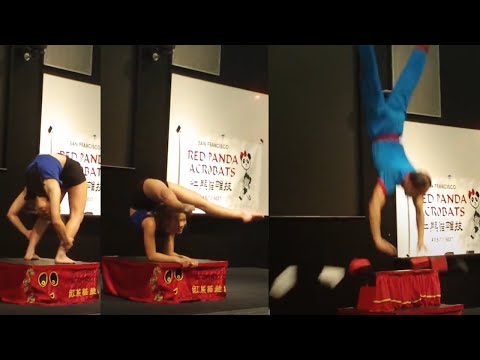
Spring Festival Celebration Performance
Key Takeaways
- The Chinese New Year (Spring Festival) is the most important traditional celebration in Chinese culture
- Local community celebrations bring together performances, food, cultural demonstrations, and firecrackers
- The lunar calendar determines the date, which falls between January 21 and February 20 each year
- Community celebrations offer a way for Chinese Americans to maintain cultural connections and share traditions with neighbors
- The energy and excitement of a Spring Festival celebration, especially the firecracker finale, is something everyone should experience at least once
What Is the Spring Festival
The Spring Festival (Chun Jie), also known as Chinese New Year or Lunar New Year, marks the beginning of the new year on the Chinese lunar calendar. It is the most significant and widely celebrated holiday in Chinese culture, equivalent in cultural importance to Christmas and New Year combined in Western traditions. The celebration typically spans 15 days, beginning on New Year’s Eve and culminating with the Lantern Festival.
For the Chinese diaspora living in the United States and other Western countries, the Spring Festival is a time to reconnect with cultural roots, share traditions with the next generation, and celebrate community. Local celebrations like the one captured in this video bring together families and community organizations for an afternoon of performances, food, and fellowship.
The Performances
Community Spring Festival celebrations typically feature a diverse program of traditional and contemporary performances. Common acts include lion and dragon dances, which are believed to bring good luck and drive away evil spirits. The rhythmic drumming that accompanies these dances is energetic and infectious. Other performances may include traditional Chinese music played on instruments such as the erhu, pipa, and guzheng; martial arts demonstrations including Tai Chi and kung fu forms; folk dances from various Chinese regions; children’s performances that help the younger generation connect with their heritage; and modern performances that blend Chinese and Western elements.
The Cultural Significance of Firecrackers
One of the most distinctive elements of any Spring Festival celebration is the firecrackers. In Chinese tradition, the loud popping of firecrackers serves to drive away the mythical beast Nian and evil spirits, welcoming the new year with noise and energy. The tradition dates back thousands of years to when bamboo stalks were thrown into fires, where the trapped air pockets would explode with loud bangs.
At community celebrations in the United States, firecrackers are often set off in designated areas with proper safety precautions. The experience of hearing hundreds of firecrackers detonating in rapid succession, filling the air with smoke and the smell of gunpowder, is visceral and unforgettable.
Community and Connection
For Chinese-American families, local Spring Festival celebrations serve multiple important functions. They provide a space where children who are growing up in American culture can experience Chinese traditions firsthand. They create opportunities for different generations to participate together in shared cultural activities. They offer a welcoming environment where non-Chinese neighbors and friends can learn about and appreciate Chinese culture. And they strengthen community bonds that might otherwise weaken as families become more geographically dispersed.
Attending a Celebration
If you have never attended a Spring Festival celebration, many cities with Chinese-American communities host public events. They are typically free to attend and visitors of all backgrounds are welcome. Check with local Chinese cultural associations, community centers, or Chinatown organizations for event schedules.
Traditions and Symbolism
Every element of the Spring Festival carries symbolic meaning. The color red dominates decorations because it is believed to ward off evil spirits and bring good fortune. Red envelopes (hong bao) containing money are given to children and unmarried young adults as blessings for the new year. Traditional foods served during the celebration carry auspicious meanings: fish represents surplus and prosperity, dumplings resemble ancient gold ingots symbolizing wealth, and long noodles represent longevity. Understanding these symbolic connections enriches the experience for both participants and observers, transforming what might appear to be simple food and decoration into a rich tapestry of cultural meaning and hope for the coming year.
For more cultural experiences and community events, see our articles on Tai Chi practice and community and for travel experiences, explore Dubrovnik, Croatia.