 Genius Asian
 Start eating nectarines & peaches earlier & keep them longer when you have a sudden overabundance
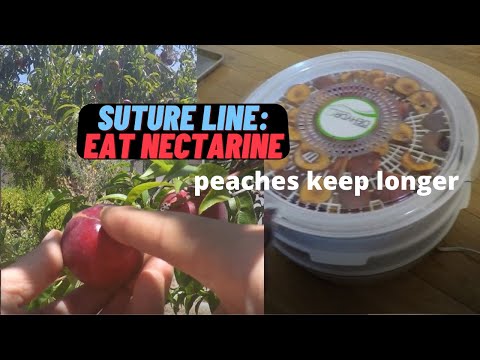
Start Eating Nectarines & Peaches Earlier and Keep Them Longer
If you have a nectarine or peach tree, you know the problem: one day nothing is ripe, and the next day everything is ripe at once. You cannot possibly eat them all before they go bad. In this video, Dr. David Zhang shares strategies for extending the harvest window on both ends, starting to eat the fruit earlier and preserving the surplus longer.
When to Pick: The Suture Line Test
Unlike apples and pears, nectarines do not improve their sugar content after being picked. Picking too early results in flavorless fruit, but waiting too long means birds and insects claim the harvest first.
Dr. Zhang recommends checking the suture line. When the suture line feels soft to gentle pressure even though the rest of the fruit is still firm, the fruit has developed enough sugar and can be picked. This gives you a head start of several days before the fruit is fully ripe.
Extending the Consumption Period
For ripe fruit that cannot be eaten immediately, refrigeration slows the ripening process and buys several additional days. For longer preservation, Dr. Zhang demonstrates using a food dehydrator to create dried nectarine slices that last months in airtight containers. Freezing sliced nectarines on a baking sheet before transferring to freezer bags prevents pieces from sticking together.
With early picking, refrigeration, and drying or freezing, you can enjoy your harvest over weeks or months rather than just a few frantic days.
For more food tips, check out how to peel garlic easily. For travel content, see preparing for Europe travel.
The Overabundance Problem
Welcome to the Genius family. Today I’m going to show you how to enjoy your nectarines or peaches for a longer period of time. We have a ton of nectarines here. Today, zero are ready — they’re all hard and unripe. Tomorrow, maybe they’ll all be ripe and we won’t be able to consume all of them. So the goal is to choose and manage nectarines so you can enjoy them without them going bad.
Unlike apples and pears, nectarines don’t improve their sugar content once they’re picked, so don’t pick them too early. But if you wait too long, the birds or pests will get them first. The strategy is to look for the first sign of ripeness and make a trade-off.
Suture Line Ripeness and Temperature
If you have a melting variety of nectarines, they will be ripe when they’re soft. The suture line runs from the stem end to the blossom end. You can pick the fruit when the suture line feels soft, even if the rest of the fruit is still firm.
Keep in mind that lower temperatures contribute to slower ripening. This becomes apparent when you bring the fruit inside your house. You may move them to the refrigerator to extend their shelf life. Be aware that if you move them too early, the fruit may not taste its best. However, when you have too many fruits, you have little choice.
Drying Plums Without a Machine
For plums, cut along the suture line. Then twist the plum to tear it into two halves. Pick the pit out and cut the plum into thinner slices. If you don’t have a dehydrator or fruit-drying machine, you can use natural sunlight to dry the plums.
Freezing for Smoothies
You can also freeze already-cut nectarines in the freezer and use them later to make smoothies.