 Genius Asian
 Stop Wasting Water: Simplest Early Toilet Leak Detection and Fix
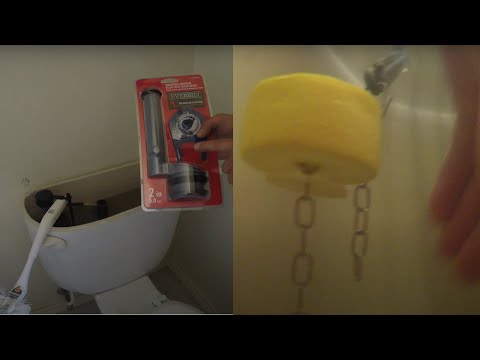
Stop Wasting Water: Simplest Early Toilet Leak Detection and Fix
Key Takeaways
- Most people don’t realize their toilet leaks water to the drain because it does not leak onto the bathroom floor where it can be noticed
- However it does waste water (you will notice your new water bill is higher than last month)
- Mostly likely by the time you realize your toilet leaks, it has already leaked for months at a low frequency when you are not at home or not paying attention
- How do you know which toilet leaks, and how can you detect such leaks early on and identify which part of the toilet is responsible for the leak
- Today, I am sharing with you the simplest and easiest tests to identify the leak early on
Understanding the Basics
A toilet tank holds water that is released into the bowl when you flush. The main components that can fail and cause leaks are the flapper (the rubber valve at the bottom of the tank), the fill valve (which refills the tank after flushing), and the overflow tube (a vertical tube that prevents the tank from overflowing). The flapper is by far the most common leak source — as it ages, the rubber warps, hardens, or accumulates mineral deposits, preventing a watertight seal.
The DIY Advantage
A leaking toilet can waste 200 to 7,000 gallons per month depending on the severity. At average water rates, that is $10 to $70 per month in wasted water. A replacement flapper costs $3 to $8 and takes five minutes to install.
Tips for Best Results
The simplest leak test is the food coloring test: add a few drops of food coloring (or a dye tablet) to the tank water. Wait 15 to 30 minutes without flushing. If the colored water appears in the bowl, you have a flapper leak. To test the fill valve, listen for the sound of water running when nobody has flushed recently — a hissing sound means the fill valve is continuously adding water because it is leaking out through the flapper. Vaseline applied to the flapper seal surface can temporarily improve the seal, but replacing the flapper is the correct long-term fix.
More Practical Guides
Regular toilet leak checks — even just listening for running water periodically — catch problems early and prevent wasted water and money.
For more hands-on tutorials, check out our guides on bathtub caulking and peeling garlic easily without special tools. Each one follows the same practical, no-nonsense approach to help you save money and build useful skills.