 Genius Asian
 Sun Style Tai Chi
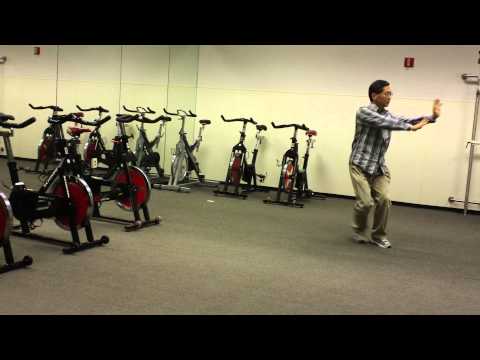
Sun Style Tai Chi: A Demonstration of the Agile Style
Key Takeaways
- Sun Style Tai Chi is one of the five major recognized styles of Tai Chi
- It is characterized by agile footwork, higher stances, and smaller movements compared to other styles
- Sun Lutang, the founder, combined elements from Xingyiquan, Baguazhang, and Tai Chi
- The style is particularly accessible for older practitioners due to its higher stances and gentler demands
- Understanding different Tai Chi styles enriches your appreciation of the art regardless of which style you practice
What This Video Shows
This video presents a demonstration of Sun Style Tai Chi, one of the five major styles alongside Yang, Chen, Wu, and Wu (Hao). Sun Style has a distinctive character that sets it apart from the more commonly seen Yang style, and this demonstration highlights its unique qualities.
Sun Style’s movements are generally more compact and agile, with a characteristic stepping pattern where the feet follow each other in a distinctive manner. The stances are higher than in Yang or Chen style, making it gentler on the knees and more accessible for practitioners of all ages.
The History of Sun Style
Sun Lutang (1860-1933) created Sun Style by synthesizing his extensive martial arts knowledge. Before developing his Tai Chi style, he was already a master of Xingyiquan (Form-Intention Boxing) and Baguazhang (Eight Trigram Palm). His Tai Chi style incorporates elements from all three arts:
- From Xingyiquan: Direct, efficient movements and forward momentum
- From Baguazhang: Agile footwork and circular body movement
- From Tai Chi: Softness, yielding, and internal energy cultivation
This synthesis created a unique style that emphasizes agility and smooth transitions over deep stances and large, sweeping movements.
Why Study Different Styles
Even if you practice a different style of Tai Chi, studying Sun Style offers valuable perspective. Each style emphasizes different aspects of the same underlying principles. Seeing how another style approaches the same concepts can deepen your understanding of your own practice.
Building a Sustainable Practice
The journey of Tai Chi development is measured in months and years, not days and weeks. Here are principles that will serve you well regardless of where you are in your practice:
Consistency Over Intensity: Ten minutes of daily practice produces better results than a three-hour session once a week. Your nervous system needs regular input to build the pathways that make push hands and form work effective. Treat your practice like brushing your teeth — something you simply do every day, not something you negotiate with yourself about.
Quality Over Quantity: Slow, mindful repetitions with full attention are worth more than hundreds of distracted repetitions. When you practice, be present. Feel each weight shift, notice each point of tension, and consciously release what does not serve the movement.
Patience With Plateaus: Everyone hits periods where improvement seems to stall. These plateaus are not signs of failure — they are periods of integration where your nervous system is consolidating what it has learned. Continue practicing through plateaus and breakthroughs will come.
Community and Sharing: Tai Chi was traditionally learned in community, and that model remains the most effective. Practice with different partners, discuss your experiences, and share what you discover. The more perspectives you encounter, the richer your understanding becomes.
For the Water Tai Chi approach practiced primarily on this channel, see the Yang-style Water Taiji form or the Tai Chi 108 Steps Form.