 Genius Asian
 Tai Chi Push Hands For Beginners, Part 4
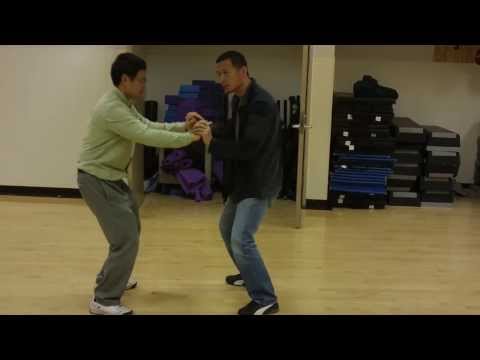
Tai Chi Push Hands for Beginners Part 4: A 9-Minute Daily Routine
Key Takeaways
- This video presents a specific 9-minute daily routine designed for absolute beginners
- The routine is precise and repeatable, removing the guesswork from daily practice
- Designed for people who are “not talented in Tai Chi” — if you can follow simple instructions, you can do this
- Consistency beats intensity — 9 minutes daily is more effective than occasional long sessions
- The routine can be done anywhere and requires no equipment or partner
What This Video Shows
One of the biggest obstacles for beginners is not knowing what to practice each day. You have watched the videos, you understand the concepts, but when it is time to practice, you stare at an empty room and wonder where to start. This video solves that problem by providing a specific, timed, step-by-step daily routine.
The 9-minute format is deliberately short. It is designed to be so brief that you have no excuse to skip it. Nine minutes fits into the busiest schedule. Before breakfast, during a lunch break, before bed — there is always a 9-minute window somewhere in your day.
The Routine Structure
The daily routine breaks the 9 minutes into focused segments, each targeting a specific fundamental skill. This structure ensures that you cover all the essential bases every single day rather than randomly practicing whatever you feel like.
The beauty of a structured routine is reproducibility. You do the same sequence every day, which means you can track your progress objectively. Does the stance feel more stable this week than last? Can you maintain relaxation through the full routine now when you could not before?
Designed for the Rest of Us
The video explicitly states that this routine is for people who are “not talented in Tai Chi.” This honesty is refreshing and important. Most training content is created by talented people for talented people. This routine is for everyone else — the late starters, the uncoordinated, the busy professionals who cannot dedicate hours to practice.
If you can stand and move your arms, you can do this routine. There are no complex sequences to memorize, no balance challenges that risk injury, and no partner required.
Building the Daily Habit
The hardest part of any practice is making it habitual. Here are strategies to help:
- Same time every day — attach it to an existing habit like morning coffee
- Same place — a consistent location creates a practice trigger
- No negotiations — 9 minutes is non-negotiable; you just do it
- Track completion — check a box on a calendar each day you practice
- Start tomorrow — not next week, not when conditions are perfect
Building a Sustainable Practice
The journey of Tai Chi development is measured in months and years, not days and weeks. Here are principles that will serve you well regardless of where you are in your practice:
Consistency Over Intensity: Ten minutes of daily practice produces better results than a three-hour session once a week. Your nervous system needs regular input to build the pathways that make push hands and form work effective. Treat your practice like brushing your teeth — something you simply do every day, not something you negotiate with yourself about.
Quality Over Quantity: Slow, mindful repetitions with full attention are worth more than hundreds of distracted repetitions. When you practice, be present. Feel each weight shift, notice each point of tension, and consciously release what does not serve the movement.
Patience With Plateaus: Everyone hits periods where improvement seems to stall. These plateaus are not signs of failure — they are periods of integration where your nervous system is consolidating what it has learned. Continue practicing through plateaus and breakthroughs will come.
Community and Sharing: Tai Chi was traditionally learned in community, and that model remains the most effective. Practice with different partners, discuss your experiences, and share what you discover. The more perspectives you encounter, the richer your understanding becomes.
For the next installment, continue with Part 5. For the complementary basic training series from Master Byron, see Push Hands Basic Training Part 1.