 Genius Asian
 Tai Chi's Song Kong Yuan Man (Relax, Empty, Full, Rounded)
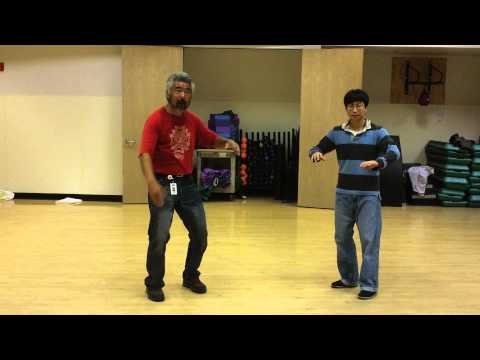
Tai Chi’s Song Kong Yuan Man: The Four Qualities of Correct Practice
Key Takeaways
- Song Kong Yuan Man represents four essential qualities that every Tai Chi movement should embody
- Song (relax) means releasing unnecessary tension without going limp
- Kong (empty) means being receptive and open, free from preconceptions
- Yuan (full/round) means maintaining structural fullness and completeness
- Man (rounded) means smooth, continuous movement without sharp angles or breaks
What This Video Shows
This video explores four Chinese concepts that define the quality of correct Tai Chi practice: Song, Kong, Yuan, and Man. These four words function as a checklist for every movement in the form and every exchange in push hands. If your practice embodies all four qualities simultaneously, you are doing it correctly.
Understanding these concepts transforms practice from external imitation to internal cultivation. Instead of asking “do my arms look right?” you ask “does this movement feel song, kong, yuan, and man?”
Song: Relax
Song is the most commonly discussed quality in Tai Chi and the most commonly misunderstood. Song does not mean going limp or collapsing. It means releasing unnecessary tension while maintaining structural integrity.
Think of a towel draped over a clothesline. The towel is completely relaxed — there is no tension in the fabric — but it maintains its shape because the clothesline provides structure. In Tai Chi, your skeleton is the clothesline and your muscles are the towel. The muscles should be as relaxed as possible while the skeleton carries the load.
Kong: Empty
Kong refers to a state of receptivity and openness. An “empty” practitioner is free from preconceptions about what should happen next. They are not planning their next move or anticipating their partner’s action. They are present and responsive.
In push hands, kong means you are not carrying intention. Your hands do not have a plan. They respond to what they feel in the moment. This emptiness allows you to receive information through touch without the interference of expectation.
Yuan and Man: Full and Rounded
Yuan and man work together to describe the quality of completeness and continuity. Every position should feel full and rounded, like an inflated balloon. There should be no collapsed areas, no sharp angles, no dead spots in the movement.
When you extend your arm in Peng, it should feel like a gentle arc, full of energy from shoulder to fingertip. When you turn in Lu, the rotation should be smooth and continuous, not a jerky redirect.
Applying the Four Qualities
Use these four qualities as a self-check during practice. At any moment during your form or push hands work, ask yourself: Am I relaxed? Am I empty? Am I full? Am I rounded? If the answer to all four is yes, you are in the right state.
Building a Sustainable Practice
The journey of Tai Chi development is measured in months and years, not days and weeks. Here are principles that will serve you well regardless of where you are in your practice:
Consistency Over Intensity: Ten minutes of daily practice produces better results than a three-hour session once a week. Your nervous system needs regular input to build the pathways that make push hands and form work effective. Treat your practice like brushing your teeth — something you simply do every day, not something you negotiate with yourself about.
Quality Over Quantity: Slow, mindful repetitions with full attention are worth more than hundreds of distracted repetitions. When you practice, be present. Feel each weight shift, notice each point of tension, and consciously release what does not serve the movement.
Patience With Plateaus: Everyone hits periods where improvement seems to stall. These plateaus are not signs of failure — they are periods of integration where your nervous system is consolidating what it has learned. Continue practicing through plateaus and breakthroughs will come.
Community and Sharing: Tai Chi was traditionally learned in community, and that model remains the most effective. Practice with different partners, discuss your experiences, and share what you discover. The more perspectives you encounter, the richer your understanding becomes.
For the physical practices where these qualities are essential, see the push hands basic training series or the Yang-style Water Taiji form. For the philosophical foundation, explore the Water Tai Chi Dialogue series.