 Genius Asian
 Taichi Push Hand: Student Phil Sun's Farewell Demo
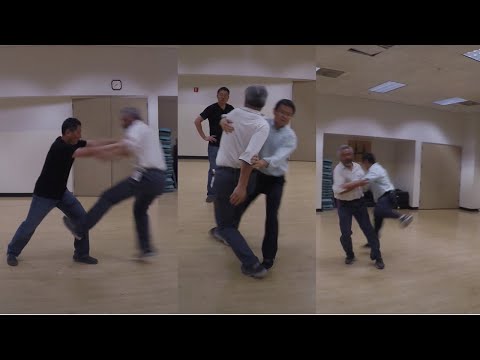
Taichi Push Hands: Student Phil Sun’s Farewell Demo
Key Takeaways
- Phil Sun demonstrates his push hands skills in a farewell session before relocating
- The demo shows the practical results of dedicated push hands training
- Push hands is a partner practice that develops sensitivity, timing, and the ability to redirect force
- The farewell format provides an honest demonstration of real skill rather than choreographed performance
- Community and training partnerships are central to Taiji development
A Student’s Progress on Display
When a dedicated student relocates and must leave their training community, a farewell demonstration serves as both a celebration of their progress and a gift to fellow students. Phil Sun’s farewell push hands demo showcases the skills he developed through consistent practice with the group.
Push hands demonstrations in a farewell context are particularly revealing because they are not choreographed. The interactions are genuine — partners are testing each other honestly, and the resulting exchanges show real skill rather than rehearsed sequences.
What the Demo Shows
The demonstration reveals several key aspects of Phil’s development: the ability to maintain root and balance under pressure, sensitivity to a partner’s intentions through physical contact, effective redirection of incoming force rather than meeting force with force, and the integration of form principles into live partner work.
The Importance of Training Partners
One of the challenges Phil will face in his new location is finding quality push hands partners. The bonds formed through years of regular practice are difficult to replicate. Each training partner offers a unique body type, energy quality, and technical approach that contributes to well-rounded development.
For practitioners who must relocate, seeking out local Taiji communities immediately is essential. The skills developed through push hands atrophy without regular partner practice.
The Journey of Internal Martial Arts Practice
Internal martial arts like Taiji, Bagua, and Xingyi require patience and long-term commitment to develop genuine skill. Unlike external martial arts where physical conditioning produces relatively quick results, internal arts demand that practitioners develop subtle body awareness, sensitivity to force, and the ability to move with integrated whole-body coordination. These qualities take years of consistent practice to cultivate.
The reward for this patience is a practice that continues to deepen throughout your lifetime. Many internal martial arts masters report that their skill continued to improve well into their sixties, seventies, and beyond. The art becomes richer with age rather than diminishing, because the principles of relaxation, sensitivity, and economy of movement become more refined over time.
Finding a supportive practice community is essential. Regular push hands practice with partners of varying skill levels provides the feedback needed for growth. Solo form practice develops body mechanics, but only partner work reveals whether those mechanics function under the pressure of real interaction. Seek out weekly practice groups, workshops, and seminars to supplement your regular training.
The Journey of Internal Martial Arts Practice
Internal martial arts like Taiji, Bagua, and Xingyi require patience and long-term commitment to develop genuine skill. Unlike external martial arts where physical conditioning produces relatively quick results, internal arts demand that practitioners develop subtle body awareness, sensitivity to force, and the ability to move with integrated whole-body coordination. These qualities take years of consistent practice to cultivate.
The reward for this patience is a practice that continues to deepen throughout your lifetime. Many internal martial arts masters report that their skill continued to improve well into their sixties, seventies, and beyond. The art becomes richer with age rather than diminishing, because the principles of relaxation, sensitivity, and economy of movement become more refined over time.
Finding a supportive practice community is essential. Regular push hands practice with partners of varying skill levels provides the feedback needed for growth. Solo form practice develops body mechanics, but only partner work reveals whether those mechanics function under the pressure of real interaction. Seek out weekly practice groups, workshops, and seminars to supplement your regular training. For more content, check out our guide on how to do bathtub caulking or explore preparing for Europe travel.