 Genius Asian
 The Easiest Way To Mix One Cup of Antifreeze/ Coolant With Least Storage & Least Cleaning Afterward
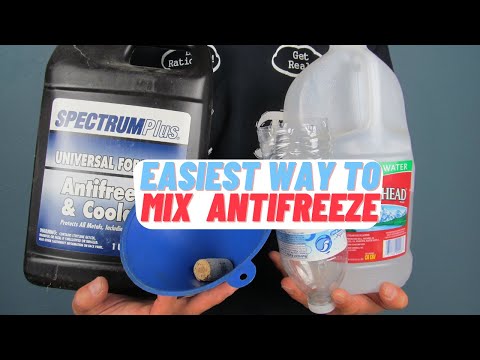
The Easiest Way To Mix One Cup of Antifreeze/ Coolant With Least Storage & Least Cleaning Afterward
Key Takeaways
- If the coolant level in your car is just a little bit low, you don’t need a gallon of coolant, so how do you mix antifreeze fast without much fuss
- I know you can buy premixed 50/50 coolant, but it is more expensive and In winter if you need 60/40 mix, how do you convert your 50/50 to 60/40
- Depending on what you have at hand, here I will list many different things of any sizes you may use to mix that little bit of coolant
- Some people simply use the 1-gallon antifreeze to make 2 gallons of coolant
- This way is the traditional method, however I found two problem with this traditional method: 1
Understanding the Basics
Engine coolant (antifreeze) is typically a 50/50 mix of ethylene glycol and distilled water. This ratio provides freeze protection down to about -34 degrees Fahrenheit and boilover protection up to about 265 degrees Fahrenheit. Using concentrated coolant and mixing your own gives you flexibility — you can adjust the ratio for your climate. In extremely cold regions, you might use a 60/40 or 70/30 coolant-to-water ratio for additional freeze protection. Always use distilled water, not tap water, because minerals in tap water can cause scale buildup and accelerate corrosion.
The DIY Advantage
Premixed coolant costs roughly twice as much per unit of actual antifreeze compared to concentrate. Over the life of a vehicle, buying concentrate and mixing your own can save $20 to $50 per coolant change, and you need less storage space since one bottle of concentrate makes twice the volume of mixed coolant.
Tips for Best Results
Always mix coolant in a clean container to avoid contamination. Use the same color and type of coolant that is already in your vehicle — mixing different types (such as green and orange) can cause chemical reactions that reduce cooling effectiveness and create gel-like deposits. Mark the mixing container clearly so it is never accidentally used for drinking water. Store unused concentrate in a cool, dark place with the cap tightly sealed.
Video Chapter Guide
Here is a quick reference for the key sections covered in the video:
- 0:00 Easiest Way To Mix Antifreeze/ Coolant
- 0:20 water bottle antifreeze first then distilled water
- 0:43 block funnel
- 1:31 mark coolant reservoir
- 2:28 Lexus ES350’s reservoir doesn’t work
- 3:14 no premix, no cleaning
Use these timestamps to jump directly to the section most relevant to your situation.
More Practical Guides
Knowing how to properly mix coolant gives you flexibility and saves money, especially when you only need a small amount for a top-off rather than a full system flush.
For more hands-on tutorials, check out our guides on changing transmission fluid and replacing front brake pads. Each one follows the same practical, no-nonsense approach to help you save money and build useful skills.