 Genius Asian
 How To Unclog Stubborn Kitchen Sink Drain, Easy Method You Don't Know But Fixes Blockage In 2 Minutes
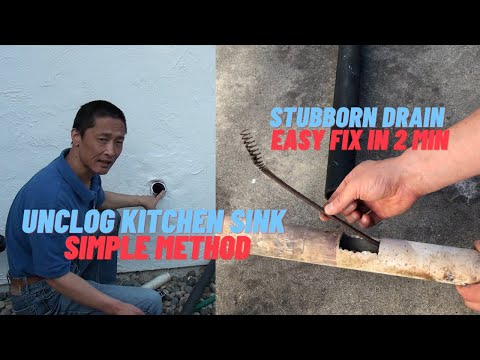
How To Unclog a Stubborn Kitchen Sink Drain in 2 Minutes
You have tried a plunger, boiling water, drain cleaners, baking soda and vinegar — nothing worked. Before spending over $100 on a professional plumber, try this method that most people, including many realtors and plumbers, do not know about.
The Secret Outlet
Most kitchen drain systems have a cleanout access point, a T-joint or access cap in the drain pipe that is often hidden behind the wall or under a cabinet panel. This access point allows you to insert a plumber’s snake directly into the drain pipe at a point past the trap, giving the snake a straight shot to the blockage rather than trying to navigate through the tight curves of the trap from above.
Why You Have Not Heard of This
Professional plumbers know about this access point but rarely mention it because the fix is embarrassingly simple — and lucrative for them. Many realtors do not point out these cleanout features when showing homes because they do not know about them either.
The Method
Locate the cleanout access point, remove the cap, and insert a plumber’s snake. The snake now has a direct path to the blockage without having to navigate the tight 90-degree turns of the P-trap. In most cases, the blockage clears in under 2 minutes.
Dr. Zhang also demonstrates a test to determine the approximate location of the blockage before snaking, which helps you choose the best approach.
For more plumbing solutions, check out how to do bathtub caulking and rearview mirror repair.
This method is easy enough for anyone who has used a plumber’s snake. Save $100 or more by finding and using your kitchen’s hidden cleanout access.
Why This Method Works
The secret is the cleanout access point, a feature built into most kitchen plumbing systems but rarely discussed. This T-joint or removable cap gives you direct access to the drain pipe past the trap, where most stubborn clogs are located. When you snake from the sink opening above, the tool has to navigate through the P-trap’s tight bends, which often prevents it from reaching the actual blockage with enough force to clear it.
By accessing the drain from the cleanout point below, the snake enters the pipe at a straight angle and can push through to the blockage with full force. This is the same access point that professional plumbers use, but they rarely mention it because the repair is so quick and simple that it undermines their service call fee.
Locating Your Cleanout Access
The cleanout is typically located on the drain pipe between the P-trap and the wall, often behind a removable panel in the cabinet beneath the sink. In some older homes, it may be accessible from an adjacent room or basement. Look for a threaded cap or a T-joint fitting with a removable plug.
The Blockage Location Test
Before snaking, Dr. Zhang demonstrates a simple test to determine approximately where the blockage is located. By observing how quickly water backs up and whether both sides of a double sink are affected, you can narrow down whether the clog is in the branch line, the main stack, or the sewer connection. This information determines the best approach and tool selection.
Prevention Tips
To prevent future kitchen drain clogs, avoid pouring grease down the drain (it solidifies and accumulates), use a drain screen to catch food particles, and periodically flush the drain with hot water. Running hot water for 30 seconds after using the disposal also helps prevent buildup.
The cleanout access approach is not just for kitchen sinks. The same principle applies to bathroom drains and other plumbing fixtures throughout the house. Once you know where the cleanout points are in your plumbing system, you have a powerful tool for addressing any drain blockage quickly and cheaply.