 Genius Asian
 Various Different Ways to Make Yuanxiao (Tangyuan) or With Alternative Ingredients
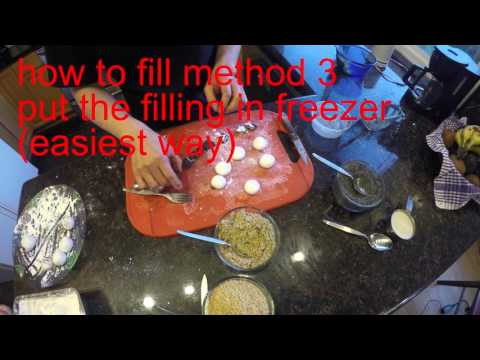
Various Ways to Make Yuanxiao (Tangyuan) With Alternative Ingredients
Key Takeaways
- Yuanxiao (tangyuan) are glutinous rice flour balls traditionally eaten during the Lantern Festival
- Multiple preparation methods exist: rolling, wrapping, and shaking techniques
- Alternative fillings beyond traditional sesame paste include peanut butter, red bean, chocolate, and fruit
- The dough can be made with different ratios of glutinous rice flour for varied textures
- These desserts symbolize family togetherness and reunion in Chinese culture
What Is Yuanxiao?
Yuanxiao, also called tangyuan, are round glutinous rice flour balls served in sweet soup or broth. They are traditionally eaten during the Chinese Lantern Festival (the 15th day of the first lunar month) and symbolize family reunion and togetherness. The round shape represents completeness and unity.
Traditional vs. Alternative Methods
The traditional method involves wrapping a ball of filling (typically black sesame paste with sugar) inside a piece of glutinous rice flour dough, then rolling it smooth between your palms. A second method involves placing filling balls on a bed of dry glutinous rice flour and shaking the tray to coat them, adding water and shaking repeatedly until the layers build up.
Creative Fillings
While traditional fillings include black sesame paste, red bean paste, and peanut paste, creative alternatives can make this dish accessible to different tastes. Peanut butter makes a convenient Western-friendly filling. Chocolate ganache creates a fusion dessert. Fresh fruit wrapped in the dough offers a lighter option. Even savory fillings like minced meat can work for a non-dessert version.
Cooking Methods
Yuanxiao are typically boiled in water until they float to the surface, indicating they are cooked through. They can also be served in sweet ginger soup, fermented rice soup (jiu niang), or simply in sugar water. Some variations are deep-fried for a crispy exterior, or pan-fried until golden.
Kitchen Skills That Save Time and Money
Developing practical kitchen skills for preparing fruits, vegetables, and other ingredients saves both time and money. When you know efficient techniques for cutting, peeling, and serving, you waste less food, spend less time on preparation, and produce more attractive results. These skills also make cooking more enjoyable because you feel competent and confident in the kitchen.
Practice makes these techniques feel natural. The first time you try a new cutting method it may feel awkward and slow. By the fifth or tenth time, it becomes second nature. Invest the learning time now and you will benefit for the rest of your life. Share these skills with family members, especially children, who will carry them into their own kitchens.
Kitchen Skills That Save Time and Money
Developing practical kitchen skills for preparing fruits, vegetables, and other ingredients saves both time and money. When you know efficient techniques for cutting, peeling, and serving, you waste less food, spend less time on preparation, and produce more attractive results. These skills also make cooking more enjoyable because you feel competent and confident in the kitchen.
Practice makes these techniques feel natural. The first time you try a new cutting method it may feel awkward and slow. By the fifth or tenth time, it becomes second nature. Invest the learning time now and you will benefit for the rest of your life. Share these skills with family members, especially children, who will carry them into their own kitchens. For more food and kitchen content, see our guide on how to peel garlic easily without special tools or explore preparing for Europe travel.