 Genius Asian
 'Water Tai Chi Dialogue', Excerpts in English, Part 6
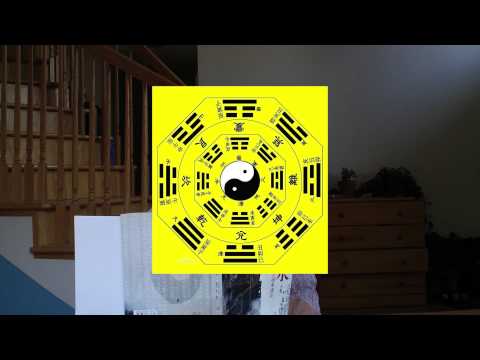
Water Tai Chi Dialogue: English Translation Excerpts Part 6
Key Takeaways
- Part 6 continues the English translation of the foundational Water Tai Chi text
- The dialogues progress into territory relevant to intermediate and advanced practitioners
- Captions (CC) provide the complete translated text
- Each section reveals new dimensions of Master Zhuanghong Wang’s teaching
- The translation project remains a vital bridge between Chinese and English Tai Chi communities
What This Video Shows
The sixth part of the Water Tai Chi Dialogue translation series continues the work of making Master Zhuanghong Wang’s foundational teachings accessible to English speakers. By this point in the book, the conversations address topics that resonate most strongly with practitioners who have sustained training experience.
The dialogue format continues to provide context that a textbook format could not capture. The students’ questions reveal the challenges that arise at different stages of development, and Master Wang’s responses show how a great teacher adapts their communication to meet each student where they are.
Progressing Through the Text
The original text follows the natural progression of learning. Early sections address fundamental concepts. Middle sections explore the subtleties that emerge from practice. Later sections deal with advanced territory that only experienced practitioners can fully appreciate.
Part 6 sits in the middle-to-advanced range, covering concepts that begin to connect physical technique with deeper internal development. These are the concepts that practitioners often struggle to find clear guidance on, making these translations particularly valuable.
The Value of Returning
Many viewers find that they get different things from these translations at different stages of their own practice. A passage that seems abstract on first viewing may suddenly make perfect sense after a specific practice experience. This makes the entire series worth revisiting periodically.
The Art of Reading Martial Arts Philosophy
Engaging with translated martial arts texts requires a different approach than reading technical manuals or novels. Here are guidelines for getting the most from these philosophical dialogues:
Read With Your Body: After reading a concept, stand up and try to feel it in your body. Martial arts philosophy is not meant to remain intellectual — it describes physical experiences. The words are pointing at something your body can verify.
Accept Ambiguity: Some concepts will not make sense immediately, and that is perfectly fine. In traditional teaching, certain ideas are planted like seeds that germinate over months or years of practice. Let the unclear passages sit without forcing an interpretation.
Cross-Reference With Practice: The most productive reading happens when you bring specific practice questions to the text. “Why does my push hands feel stuck?” is a better question to bring to these dialogues than a general desire to learn philosophy.
Discuss With Others: Different practitioners will interpret the same passage differently based on their experience. These differences are not contradictions — they are reflections of the richness of the original teaching. Discussion reveals dimensions you cannot see alone.
Return Periodically: The same passage will mean different things to you at different stages of development. What seems abstract today may become your most important insight next year. Keep these translations accessible for periodic re-reading.
For the next section, continue with Part 7. For earlier parts, start with Part 1.