 Genius Asian
 Yang Style Water TaiJi Played at 1.5 faster speed 水性太極拳
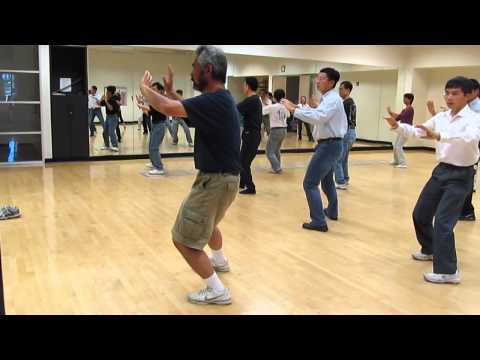
Yang Style Water Taiji at 1.5x Speed: Full Form Demonstration
Key Takeaways
- This video demonstrates the complete Water Taiji form performed at 1.5x normal speed, showing how the movements flow when played more briskly
- Water Taiji combines the traditional Yang Style sequence with a unique emphasis on fluid, water-like body mechanics
- Key principles include relaxing from shoulder to toe, transferring body weight downward, and maintaining awareness of the tailbone position
- Each inhale should make the body feel lighter; each exhale should let the body weight sink and drop further
- The practice involves progressive deepening — each repetition allows the energy to settle lower in the body
What Is Water Taiji?
Water Taiji is a distinctive approach to the traditional Yang Style Tai Chi form. While the sequence of movements follows the standard Yang Style pattern, the internal mechanics — how you move your body weight, how you breathe, and how you generate and direct energy — are guided by the properties of water: flowing, sinking, yielding, and finding the path of least resistance.
This video shows the form played at 1.5 times the normal speed. Traditional Tai Chi forms are typically performed very slowly, but practicing at a faster speed serves an important purpose. It reveals whether your movements are truly connected and fluid, or whether you are relying on the slow pace to mask disconnections in your form. If your body mechanics are correct, the form should look smooth and natural at any speed.
The Core Principles Demonstrated
Body Weight Transfer
One of the most important instructions from the transcript is about body weight: stand and relax from shoulder to toe, one time, two times, three times. Each repetition is not just physical relaxation — it is an active process of letting your body weight settle deeper into your structure and ultimately into the ground.
The goal is to get your weight out of your upper body and into your feet. When your left foot is fully weighted, it should feel “totally straight” and connected to the ground, as if rooted.
Breathing and Body Awareness
The breathing pattern is integral to the practice:
- Inhale: Feel the body become lighter, as if being lifted
- Exhale: Feel the body weight drop and sink
But there is a progressive element. If you start breathing from one level, the first exhale drops your awareness lower. The next inhale starts from that new lower position, and the next exhale drops it even further. This progressive deepening is what distinguishes Water Taiji practice from simply doing slow movements while breathing.
Tailbone Awareness
The transcript specifically mentions checking your tailbone position as you practice. The tailbone dropping — tucking slightly under rather than sticking out — is essential for proper alignment and weight transfer. When the tailbone drops correctly, the body weight truly transfers down through the legs to the feet.
Why Practice at 1.5x Speed?
Performing the form faster than normal is not about rushing. It serves several purposes:
- Tests your integration: If movements fall apart at speed, they were not truly integrated at slow speed either
- Develops martial applicability: In actual push hands or self-defense situations, you do not have the luxury of moving slowly
- Builds endurance: Maintaining correct form and breathing at a faster pace is physically more demanding
- Reveals habits: Speed exposes habitual tensions and compensations that hide during slow practice
If you are new to Tai Chi, start with the standard slow pace. The 1.5x speed practice is for students who already have a solid foundation in the form and want to deepen their practice.
Getting Started With Water Taiji
If this approach to Tai Chi interests you, the recommended path is:
- Learn the basic Yang Style form (the sequence of movements)
- Study the Water Taiji internal principles (weight transfer, breathing, relaxation)
- Practice the form slowly with attention to internal mechanics
- Gradually increase speed while maintaining quality
For foundational Tai Chi content, check out our Tai Chi 24 Steps Form guide for a beginner-friendly introduction, or explore our push hands basic training series for partner practice drills.