 Genius Asian
 A Simple & Easy Way To Explain Tai Chi Mind/Qi
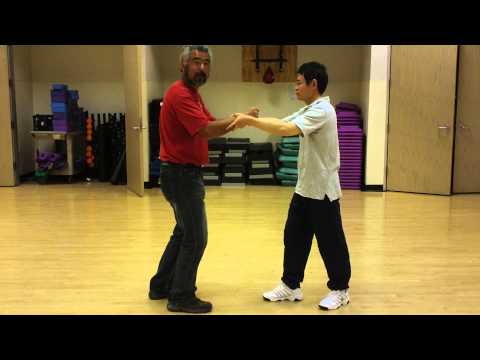
A Simple and Easy Way to Explain Tai Chi Mind and Qi
Key Takeaways
- This video offers a bold, simple explanation of the mind/qi concept that skeptics can appreciate
- The explanation is designed for beginner-level understanding without mystical language
- Understanding mind and qi does not require belief in the supernatural — it can be explained through physiology
- Different Tai Chi styles may interpret these concepts differently
- Demystifying qi makes Tai Chi more accessible to scientifically-minded practitioners
What This Video Shows
The concepts of “mind” (yi) and “qi” in Tai Chi are often surrounded by mysticism that makes scientifically-minded people skeptical. This video takes a deliberately bold approach by offering simple, accessible explanations that do not require belief in anything supernatural.
The result is a practical framework that skeptics can work with and believers can appreciate. Whether you think qi is a metaphor for biomechanical phenomena or a literal energy, the practical implications for your Tai Chi practice are the same.
Demystifying Qi
Qi is perhaps the most controversial concept in martial arts. Depending on who you ask, it is either a mystical energy flowing through invisible channels in your body, or it is a pre-scientific explanation for observable physiological phenomena. This video suggests that the truth does not need to be either extreme.
At the simplest level, what Tai Chi practitioners call “qi” can be understood as:
- Proprioceptive awareness — the sensation of your body’s position and movement in space
- Blood flow — the warmth and tingling that comes from increased circulation
- Nervous system activity — the electrical signals that coordinate movement
- Structural alignment — the sensation of force flowing efficiently through your body
You do not need to believe in mystical energy to experience these phenomena. They are real, measurable, and scientifically documented.
The Role of Mind (Yi)
The “mind” in Tai Chi is not about thinking harder or concentrating intensely. It is about directing attention. Where your attention goes, your body follows. If you focus your attention on your hand, the hand becomes more sensitive and responsive. If you focus on your center, your movements become more coordinated.
This is not mysticism — it is well-documented neuroscience. Directed attention increases neural activation in the relevant body regions, improving both sensitivity and motor control.
Practical Application
Understanding mind and qi in these practical terms transforms how you practice:
- Instead of trying to “move qi,” focus your attention on the body part you want to engage
- Instead of “using yi to lead qi,” direct your awareness to the path of movement
- Instead of “cultivating qi,” practice consistently to develop sensitivity and coordination
Building a Sustainable Practice
The journey of Tai Chi development is measured in months and years, not days and weeks. Here are principles that will serve you well regardless of where you are in your practice:
Consistency Over Intensity: Ten minutes of daily practice produces better results than a three-hour session once a week. Your nervous system needs regular input to build the pathways that make push hands and form work effective. Treat your practice like brushing your teeth — something you simply do every day, not something you negotiate with yourself about.
Quality Over Quantity: Slow, mindful repetitions with full attention are worth more than hundreds of distracted repetitions. When you practice, be present. Feel each weight shift, notice each point of tension, and consciously release what does not serve the movement.
Patience With Plateaus: Everyone hits periods where improvement seems to stall. These plateaus are not signs of failure — they are periods of integration where your nervous system is consolidating what it has learned. Continue practicing through plateaus and breakthroughs will come.
Community and Sharing: Tai Chi was traditionally learned in community, and that model remains the most effective. Practice with different partners, discuss your experiences, and share what you discover. The more perspectives you encounter, the richer your understanding becomes.
For related concepts explored in depth, see the 8 Energies 5 Steps 13 Postures series, the Water Tai Chi Dialogue translations, or the practical lesson on Song Kong Yuan Man.