 Genius Asian
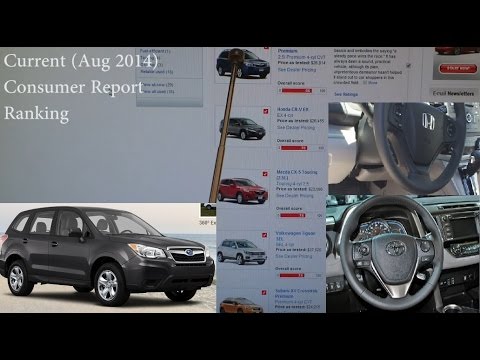
 Buying A New Car Compare CR-V – RAV4-Forester-Save Money-Save Time
Buying A New Car Compare CR-V – RAV4-Forester-Save Money-Save Time
Key Takeaways
- Comparing the Honda CR-V, Toyota RAV4, and Subaru Forester reveals important differences despite their similar market positioning
- Each vehicle has distinct strengths that make it the best choice for different buyer priorities
- The comparison methodology saves time by focusing on the factors that actually matter to most buyers
- Understanding the tradeoffs between these three popular compact SUVs prevents analysis paralysis and buyer’s remorse
- Test driving all three in rapid succession is the most effective way to make a final decision
The Comparison Approach
Buying a new car is one of the largest purchases most people make, and the abundance of reviews, specifications, and opinions available online can make the decision more confusing rather than clearer. This video takes a different approach: compare three of the most popular and competitive compact SUVs head-to-head, focusing on the practical differences that affect daily ownership rather than obscure specifications that matter only to automotive journalists.
The Honda CR-V, Toyota RAV4, and Subaru Forester compete directly against each other in one of the largest vehicle segments in America. They are similar enough in price, size, and capability that choosing between them is a genuine dilemma for many buyers.
Honda CR-V
The CR-V has been one of the best-selling SUVs in America for years, and for good reason. Its strengths include an exceptionally refined and quiet ride, the largest cargo area in this comparison, excellent fuel economy, strong resale value that reduces long-term ownership costs, and Honda’s reputation for reliability and low maintenance costs.
The tradeoffs: the CR-V prioritizes comfort and refinement over sporty driving dynamics. If you value engaging driving feel or off-road capability, the CR-V may feel too insulated and car-like.
Toyota RAV4
The RAV4 matches the CR-V in reliability reputation and adds some character. Its strengths include Toyota’s legendary reliability and support network, a more rugged styling that differentiates it from sedans, available hybrid and plug-in hybrid powertrains that deliver exceptional fuel economy, and Toyota Safety Sense standard on all models.
The tradeoffs: the RAV4’s interior materials can feel less premium than the CR-V’s at equivalent price points, and some find the ride quality slightly rougher, particularly on the TRD Off-Road trim.
Subaru Forester
The Forester brings a unique proposition to the comparison: standard all-wheel drive across every trim level. Its strengths include all-wheel drive standard (optional on the others), the best visibility of any compact SUV thanks to large windows and thin pillars, a loyal and enthusiastic owner community, and genuine off-road capability that exceeds the other two.
The tradeoffs: the Forester’s engine, particularly the naturally aspirated base engine, is less refined than the competition’s. Fuel economy is slightly lower due to the standard AWD system, and resale values, while good, do not quite match Honda and Toyota.
The Decision Framework
Rather than declaring a winner (which depends entirely on individual priorities), the video suggests a decision framework. If your top priority is interior space and refinement, the CR-V leads. If fuel efficiency (especially in hybrid form) and brand reliability are paramount, the RAV4 is the choice. If you need all-wheel drive and value visibility and off-road capability, the Forester wins.
The most effective final step: test drive all three on the same day, back to back. The differences become immediately apparent behind the wheel in a way that no video or review can replicate.
Negotiation and Timing Strategy
Beyond choosing the right model, the timing and approach to your purchase significantly affects the final price. Dealerships typically offer better deals at the end of the month, the end of the quarter, and especially at model-year changeover when they need to clear outgoing inventory. Getting pre-approved for financing from your bank or credit union before visiting dealerships gives you negotiating leverage and a baseline rate to compare against dealer financing offers. Request out-the-door pricing from multiple dealerships (email is efficient for this) and use competing quotes to negotiate. Focus on the total purchase price rather than the monthly payment, since dealers can manipulate payment figures by extending loan terms. For the CR-V, RAV4, and Forester specifically, these popular models rarely see deep discounts, but $1,000-2,000 below MSRP is achievable with patient negotiation, especially on outgoing model years or dealer stock that has been on the lot for 60 or more days.
For more car-related content, see wheel alignment guide and Honda Accord brake fluid bleeding.