 Genius Asian
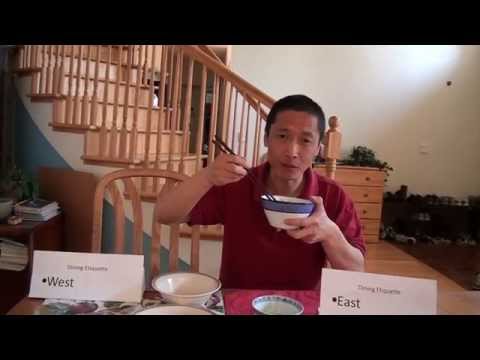
 Dining Etiquette East vs West (Visitors & New Immigrants Must See)
Dining Etiquette East vs West (Visitors & New Immigrants Must See)
Our Approach: This comparison uses structured evaluation of strengths and tradeoffs for each. Our criteria covered result quality, tool accessibility, time required. All picks reflect editorial judgment; no brand paid for inclusion.
Key Takeaways
- Eastern and Western dining etiquette differ significantly in ways that can cause embarrassment if not understood
- Understanding these differences is essential for new immigrants, business travelers, and anyone attending cross-cultural meals
- Neither system is inherently superior — each reflects deep cultural values about food, community, and hospitality
- Small etiquette mistakes are easily forgiven when genuine effort and respect are shown
- Knowing the key differences builds confidence in cross-cultural dining situations
Key Differences
Shared Dishes vs Individual Plates
In many East Asian dining traditions, food is served in shared dishes at the center of the table, and diners take portions onto their own plates throughout the meal. In Western dining, each person receives an individual plate with a complete serving. Understanding this difference prevents the surprise of receiving a single enormous serving in a Western restaurant (it is all for you) or the confusion of shared dishes in an Asian restaurant (you are expected to serve yourself from them).
Utensils
The chopstick vs fork-and-knife difference is the most obvious, but the etiquette around utensils goes deeper. In Western dining, placing your knife and fork in specific positions signals whether you are still eating or finished. In Chinese dining, leaving chopsticks standing upright in a bowl of rice resembles incense sticks at a funeral and is considered very inauspicious.
Noise and Conversation
Western dining generally values quiet eating — chewing with your mouth closed, not slurping soup, keeping conversation at a moderate volume. In some Asian cultures, slurping noodles or soup is perfectly acceptable and can even signal enjoyment of the food. Loud, animated conversation at the table may be considered rude in some Western formal settings but is the norm in many Asian family meals.
Paying the Bill
In Western culture, splitting the bill is common and expected among friends. In many Asian cultures, there is often a friendly competition to pay the entire bill, with the most senior person or the host typically prevailing. Accepting a split bill too readily in an Asian dining context can seem cold, while insisting on paying the entire bill in a Western context can make others uncomfortable.
Tipping
Tipping customs vary dramatically. In the United States, a 15-20 percent tip is expected at restaurants. In Japan, tipping can be considered insulting. In China, tipping is becoming more common in tourist areas but is not traditional. Knowing the tipping customs of your dining location prevents both underpaying (which insults the server in the US) and overpaying (which can cause confusion in countries where tipping is not practiced).
Finishing Your Plate
In Western culture, finishing everything on your plate is generally seen as a compliment to the cook. In some Chinese traditions, an empty plate signals that the host did not provide enough food, so leaving a small amount is considered polite. These opposite interpretations of the same action can lead to misunderstandings at cross-cultural meals.
The Universal Rule
Despite all these differences, one rule is universal: genuine warmth, gratitude, and effort to respect your host’s customs will be appreciated everywhere. Perfect etiquette is less important than sincere respect.
For more cultural insights, see Spring Festival celebration and preparing for Europe travel.