 Genius Asian
 DIY: Best Way to Organize Earbuds, Chargers and All Those Miscellaneous Wires
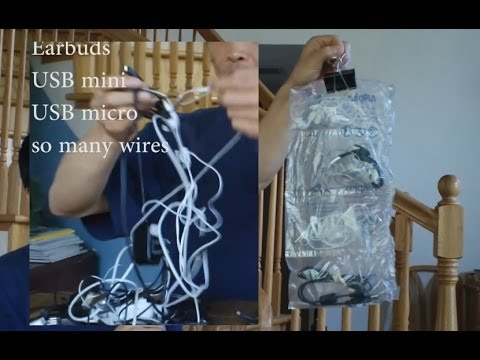
DIY: Best Way to Organize Earbuds, Chargers and All Those Miscellaneous Wires
How We Selected: We tested options using hands-on testing, cost analysis, and practical results. We prioritized tool accessibility, time required, material cost, ease of execution. This content is editorially independent; no brand provided compensation for coverage.
Key Takeaways
- Tangled earbuds, chargers, and cables are a universal frustration with a simple organizational solution
- The best organization method keeps cables accessible, untangled, and protected from damage
- Several techniques are demonstrated, from simple wrapping methods to DIY storage solutions
- Proper cable management extends the life of your cables by preventing internal wire damage from tangles
- A small upfront time investment saves cumulative hours of untangling and searching
The Cable Chaos Problem
Modern life generates an astonishing number of cables. Phone chargers (often multiple types), earbuds, laptop chargers, USB cables, HDMI cables, charging cables for tablets, watches, wireless headphones, and countless other devices. Without a system, these cables migrate into a tangled mass in drawers, bags, and desk surfaces where finding the right cable when you need it becomes a time-consuming archaeological dig.
Beyond the inconvenience, tangled cables suffer physical damage. Sharp bends at tangle points stress the internal wires, leading to intermittent connections and eventual failure. The cable that works sometimes but not always is usually one that has been repeatedly tangled and bent past its design limits.
Organization Methods
The Figure-Eight Wrap
For earbuds and short cables, the figure-eight wrap prevents tangles without creating the tight coils that damage wires. Drape the cable over your thumb and pinky finger, wrapping in a figure-eight pattern. Secure the bundle with a small rubber band, twist tie, or clip. The figure-eight creates loose curves rather than tight coils, protecting the cable’s internal conductors.
The Binder Clip Method
Medium binder clips from any office supply store make excellent cable organizers. Clip the binder clip to the edge of a desk, shelf, or bag, and route the cable through the clip’s wire handles. This keeps cables accessible while preventing them from falling behind furniture or tangling with other cables.
The Toilet Paper Roll Method
Empty toilet paper or paper towel rolls serve as inexpensive cable storage tubes. Label each roll with the cable type (phone charger, USB-C, HDMI, etc.), coil the cable loosely, and slide it into the roll. Stand the rolls upright in a drawer or box for a neat, labeled cable filing system.
The DIY Cable Board
For a more permanent solution, mount a small pegboard or corkboard on a wall or inside a cabinet door. Use hooks, clips, or small zip ties to hang each cable in its own designated spot. Label each position. This works particularly well for cables used daily that need to be quickly grabbed and returned.
Travel Cable Organization
When traveling, cable tangles are even more frustrating because you are usually in a hurry. A small zippered pouch (a pencil case works perfectly) with individual elastic loops or small pockets for each cable keeps everything organized and accessible. Alternatively, a rubber-band-wrapped bundle of cables in a dedicated compartment of your bag works for simpler needs.
The Broader Principle
Cable organization is a small investment that pays ongoing dividends in saved time, reduced frustration, and extended cable life. The best system is whichever one you will actually use consistently. Start simple, and upgrade your organization method only if the simple approach proves insufficient.
Labeling Your Cables
Even well-organized cables become frustrating if you cannot identify which cable is which without unplugging and tracing each one. A simple labeling system solves this permanently. Small adhesive labels, different colored tape wraps, or even different colored twist ties allow instant visual identification. Label both ends of each cable so you can identify them whether they are plugged in or stored. For charging cables, include the device name on the label. For data cables, note the connection type and maximum transfer speed. This labeling investment takes about 10 minutes for a typical household cable collection and eliminates the frustrating cycle of unplugging cables one by one to find the right one, especially behind desks and entertainment centers where cables accumulate in dense clusters that are difficult to trace visually.
For more organization solutions, see storing 1000 plastic bags and making plastic wrap holders work better.