 Genius Asian
 DIY: Make Your Own Spark Plug Socket
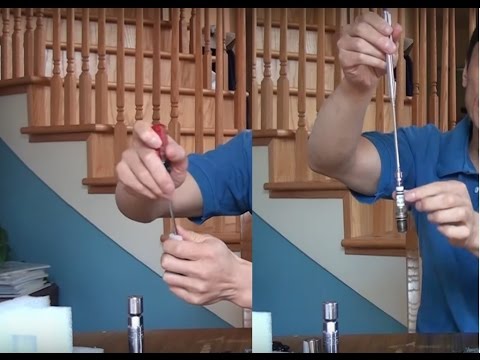
DIY: Make Your Own Spark Plug Socket
Key Takeaways
- You can make a functional spark plug socket from common hardware store materials if you do not own the specialized tool
- A standard deep socket combined with a rubber insert creates a DIY alternative that grips the spark plug safely
- Understanding why a spark plug socket is different from a regular socket prevents damage to the porcelain insulator
- This DIY approach is meant for emergency or occasional use, not as a permanent replacement for a proper tool
- The technique demonstrates the principle of solving problems with what you have rather than what you wish you had
Why Spark Plug Sockets Are Special
A standard socket wrench fits over a spark plug just fine, but it lacks one critical feature: the rubber insert that grips the porcelain insulator at the top of the plug. Without this grip, the spark plug can fall out of the socket during removal or installation, potentially dropping into the engine bay or cracking the delicate porcelain insulator.
Professional spark plug sockets have a built-in rubber or foam insert that holds the plug securely inside the socket. This allows you to lift the plug straight out of the well and transfer it without it falling free. When installing a new plug, the insert holds it in place as you thread it into the cylinder head — essential because spark plug wells are often deep and narrow, making it impossible to hold the plug with your fingers.
Making Your Own
The DIY spark plug socket starts with a standard deep socket in the correct size (typically 5/8 inch or 13/16 inch depending on the engine). To create the holding mechanism, insert a piece of rubber or foam tubing that fits snugly inside the socket. The rubber creates friction against the spark plug’s porcelain insulator, holding it in place.
Materials that work include a short section of rubber vacuum hose, a piece of foam pipe insulation cut to size, or even a tightly rolled strip of electrical tape pressed into the socket. The key is that the insert must be snug enough to grip the plug firmly but flexible enough to release it when you push it out.
Step-by-Step Construction
- Select a deep socket in the correct size for your spark plugs
- Cut a piece of rubber tubing to approximately the depth of the socket
- Insert the tubing into the socket, pressing it firmly against the inner wall
- Test the fit by pressing a spark plug into the socket — it should hold securely but release with moderate pressure
- If the grip is too loose, use a slightly larger diameter tubing or add a layer of electrical tape
Practical Considerations
This DIY solution works well for occasional use but has limitations compared to a proper spark plug socket. The rubber insert may shift during use if not sized precisely. The grip may be less secure, requiring you to work more carefully. And the socket itself may be slightly too short if your spark plug wells are particularly deep.
For anyone who works on cars regularly, investing in a proper spark plug socket set is worthwhile. But for the one-time job or the situation where you need to change a plug and do not have the right tool immediately available, this DIY alternative can get the job done.
Understanding Spark Plug Sizes
Before making or buying any spark plug socket, you need to know the correct size for your engine. Most spark plugs use one of two hex sizes: 5/8 inch (16mm) for most modern gasoline engines with smaller, tapered-seat spark plugs, or 13/16 inch (21mm) for older or larger engines with gasketed spark plugs. Your owner’s manual specifies the plug type and size, or you can simply measure the hex on your current plugs with an adjustable wrench before removing them. Using the wrong socket size will not grip the plug properly, risking damage to both the socket and the spark plug. For engines where the spark plug wells are particularly deep (common in modern aluminum-head engines), even a standard deep socket may not be long enough, in which case spark plug socket extensions are available that add several inches of reach.
For more car maintenance DIY, see the cheapest way to change a spark plug and Honda Accord brake fluid bleeding.