
Dogs and people to exercise in rainy season #GeniusAsianDanceChallenge
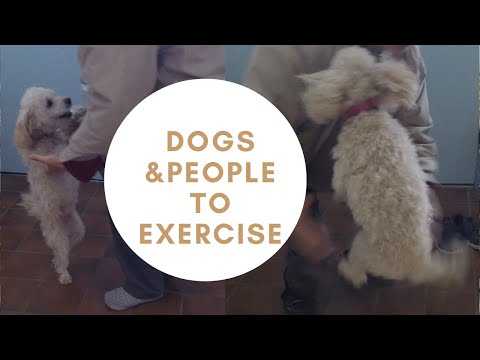
Dogs and People Exercise Together: The GeniusAsian Dance Challenge
When it is rainy season and you cannot take the dog for a walk, what do you do for exercise? In this video, Dr. David Zhang introduces the GeniusAsian Dance Challenge — a fun, high-energy way for both dogs and their owners to get exercise indoors.
The Origin
Dr. Zhang wanted to go outside but his dog did not want him to leave. So instead of going out, he decided to dance with his dog. Since dogs cannot dance like humans, he adapted his moves to match the dog’s natural movements. The result is a surprisingly effective workout that left Dr. Zhang tired after just one minute.
Benefits for Both
Dogs need physical activity just as much as people do. When outdoor walks are not possible due to weather, indoor play becomes essential. Dancing provides cardiovascular exercise for the owner while engaging the dog through play, jumping, and movement.
The Challenge
The GeniusAsian Dance Challenge invites viewers to dance with their dogs and share the videos on social media using the hashtag #GeniusAsianDanceChallenge. The goal is to help people stay active and have fun with their pets, regardless of weather conditions.
Exercise Does Not Need to Be Complicated
This video demonstrates that effective exercise can happen anywhere, with any companion, and without any equipment. One minute of energetic dancing provides meaningful cardiovascular benefit, and the joy of interacting with a pet makes it feel like play rather than work.
For more fitness and lifestyle content, check out our guides on preparing for Europe travel and Sagrada Familia in Barcelona for active travel inspiration.
Share what you can do by tagging @GeniusAsian and #GeniusAsianDanceChallenge. Help others get healthy and fit through this fun challenge.
Frequently Asked Questions
Can I do this myself without professional help?
Absolutely. The techniques and methods covered in this guide are specifically designed for people who want to handle things themselves without expensive professional services. You do not need specialized training or professional-grade equipment. Basic household tools and common materials are sufficient for the vast majority of situations described here. The key is to follow the steps carefully, take your time during the preparation phase, and not rush through any critical steps. Most people find that their first attempt takes somewhat longer than expected, but each subsequent attempt becomes significantly faster and more confident as the process becomes second nature. The initial investment of learning time pays dividends every time you need to repeat the task.
What kind of cost savings can I expect?
What should I do if something does not go as planned?
Safety and Best Practices
Safety should always be your top priority during any hands-on project. Wearing appropriate protective equipment for the specific task is essential. This includes safety glasses for any work involving cutting, drilling, grinding, or chemical handling. Gloves protect your hands when dealing with sharp objects, hot surfaces, or irritating substances. Work in a well-ventilated area whenever adhesives, solvents, paints, or other chemical products are involved.
Keep your workspace clean and organized throughout the project. A cluttered work area leads to misplaced tools, tripping hazards, and accidental damage to both the project and your surroundings. If your work involves any electrical components, always verify that the power source is disconnected before touching any wires or connections. Water and plumbing work requires shutting off the relevant supply valves before disassembly.
Take breaks during longer projects to maintain focus and avoid fatigue-related mistakes. Document your progress with photos, especially before disassembling anything complex, so you have a clear reference for reassembly. Store small parts like screws, clips, and fasteners in labeled containers to prevent loss. When working at heights, follow the four-to-one ladder rule and always maintain three points of contact. If any aspect of the project feels beyond your comfort level or involves potential safety hazards you are not confident managing, there is no shame in calling a professional for that specific portion of the work.