 Genius Asian
 Double Hands Basic Training Part 1
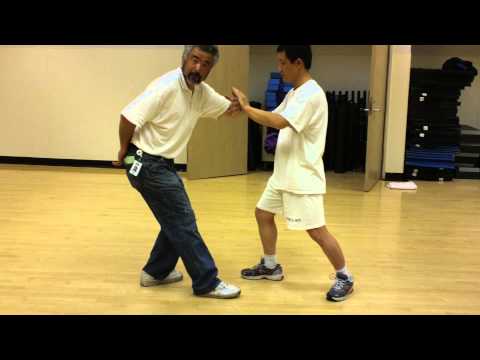
Double Hands Push Hands Basic Training Part 1
Key Takeaways
- Double hands push hands involves both arms in contact with the partner simultaneously
- This is a progression from single-hand push hands training
- The added complexity of two contact points develops more sophisticated sensitivity
- Master the basic patterns before attempting free-form double hands practice
- This training builds coordination between both sides of the body
What This Video Shows
After mastering single-hand push hands fundamentals, the natural progression is to double hands — where both arms maintain contact with your partner simultaneously. This first part introduces the basic patterns and principles of two-hand push hands practice.
Double hands push hands is significantly more complex than single-hand work. With two contact points, you must divide your attention and coordinate two separate but related energy flows. Your left hand might be applying Peng while your right is executing Lu, and these must work together harmoniously.
Why Double Hands Is Different
In single-hand push hands, you have one point of contact and one line of communication with your partner. In double hands, you have two. This creates both opportunities and challenges:
Opportunities:
- More information about your partner’s structure and intention
- More options for applying techniques
- Better control over the partner’s center
- More realistic training for actual martial application
Challenges:
- Divided attention between two contact points
- Need for bilateral coordination
- More complex weight-shifting patterns
- Greater demand on sensitivity and awareness
Getting Started
The basic double hands pattern follows the same Peng Lu Ji An cycle as single hands, but now both arms participate in each phase. The challenge is keeping both arms coordinated while maintaining relaxation and root.
Tips for beginners:
- Start very slowly — much slower than you think necessary
- Focus on maintaining equal pressure through both contact points
- Do not let one hand dominate while the other goes passive
- Practice the pattern until it becomes automatic before adding speed or power
Building a Sustainable Practice
The journey of Tai Chi development is measured in months and years, not days and weeks. Here are principles that will serve you well regardless of where you are in your practice:
Consistency Over Intensity: Ten minutes of daily practice produces better results than a three-hour session once a week. Your nervous system needs regular input to build the pathways that make push hands and form work effective. Treat your practice like brushing your teeth — something you simply do every day, not something you negotiate with yourself about.
Quality Over Quantity: Slow, mindful repetitions with full attention are worth more than hundreds of distracted repetitions. When you practice, be present. Feel each weight shift, notice each point of tension, and consciously release what does not serve the movement.
Patience With Plateaus: Everyone hits periods where improvement seems to stall. These plateaus are not signs of failure — they are periods of integration where your nervous system is consolidating what it has learned. Continue practicing through plateaus and breakthroughs will come.
Community and Sharing: Tai Chi was traditionally learned in community, and that model remains the most effective. Practice with different partners, discuss your experiences, and share what you discover. The more perspectives you encounter, the richer your understanding becomes.
For the continuation of this series, see Part 2. For the single-hand foundation that prepares you for double hands work, revisit the push hands basic training series.