 Genius Asian
 Double Hands Basic Training Part 2
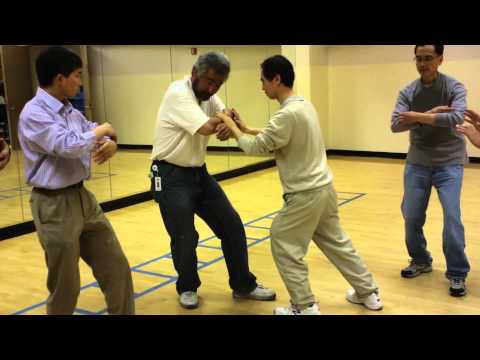
Double Hands Push Hands Basic Training Part 2
Key Takeaways
- Part 2 builds on the basic double hands patterns introduced in Part 1
- The focus shifts to refining coordination and developing smoother transitions
- Practice drills become more dynamic as the basic pattern becomes comfortable
- Student demonstrations show common errors and corrections at this level
- The connection between double hands and martial application becomes clearer
What This Video Shows
Continuing from the foundations in Part 1, this second installment develops the double hands push hands practice further. Students who have been drilling the basic pattern now work on making it smoother, more responsive, and more natural.
At this stage, the mechanical pattern should be familiar enough that attention can shift from remembering the sequence to feeling the quality of each exchange. This is where double hands push hands starts to become genuinely interesting and rewarding.
Refining the Practice
The refinements in Part 2 focus on:
- Smoothing transitions — eliminating the hesitations between energy changes that mark beginner practice
- Equalizing hands — most people have a dominant hand that does more work; learning to balance both sides
- Deepening sensitivity — with two contact points, there is twice as much information to process
- Maintaining structure — as the practice becomes more dynamic, keeping proper alignment becomes more challenging
Building Toward Application
Double hands push hands is closer to real martial application than single hand work. In an actual confrontation, both hands would be engaged simultaneously. By practicing these patterns, you develop the bilateral coordination needed to apply Tai Chi principles under pressure.
The connection between training and application becomes clearer in this installment as the drills incorporate more realistic timing and pressure variations.
Building a Sustainable Practice
The journey of Tai Chi development is measured in months and years, not days and weeks. Here are principles that will serve you well regardless of where you are in your practice:
Consistency Over Intensity: Ten minutes of daily practice produces better results than a three-hour session once a week. Your nervous system needs regular input to build the pathways that make push hands and form work effective. Treat your practice like brushing your teeth — something you simply do every day, not something you negotiate with yourself about.
Quality Over Quantity: Slow, mindful repetitions with full attention are worth more than hundreds of distracted repetitions. When you practice, be present. Feel each weight shift, notice each point of tension, and consciously release what does not serve the movement.
Patience With Plateaus: Everyone hits periods where improvement seems to stall. These plateaus are not signs of failure — they are periods of integration where your nervous system is consolidating what it has learned. Continue practicing through plateaus and breakthroughs will come.
Community and Sharing: Tai Chi was traditionally learned in community, and that model remains the most effective. Practice with different partners, discuss your experiences, and share what you discover. The more perspectives you encounter, the richer your understanding becomes.
Tracking Your Development
One practical tip for anyone following this double hands series: record yourself periodically. A short video clip of your practice every two weeks gives you objective evidence of improvement that is hard to see in the moment. Compare your first recording to one from three months later and the progress becomes undeniable. This visual feedback supplements the tactile feedback you develop through practice and gives you confidence that the work is paying off. For the next part, continue with Part 3. For single-hand foundations, revisit the basic training series.