 Genius Asian
 How to Raise or Lift a Car without Jack without Stand
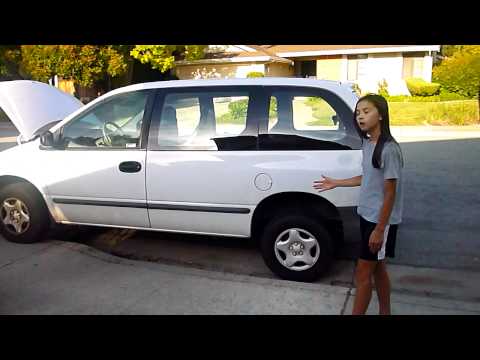
How to Raise or Lift a Car Without a Jack or Jack Stand
Key Takeaways
- You can safely lift one side of a car by parking it at an angle where one wheel rides up on a curb while the other stays on the street
- This method costs absolutely nothing and requires no equipment
- The car is extremely stable in this position because all four wheels remain on the ground
- This technique provides enough clearance for oil changes, fluid drains, and under-car inspections
- Use your driveway transition or any street curb where the ground height naturally varies
The Zero-Cost Method
Working under a car safely usually requires a jack, jack stands, or ramps. But what if you do not have any of those? Or what if you want a method that is even more stable than a jack stand? This surprisingly simple technique uses nothing more than a curb and the natural slope of a driveway.
The concept is straightforward: park your car at an angle so that one side rides up on a curb or elevated surface while the other side stays lower on the street or driveway. This creates a tilt that lifts one side of the car, giving you clearance to work underneath — all while keeping every wheel firmly on the ground.
How to Set It Up
Finding the Right Spot
Look for a location where there is a natural height difference between two surfaces. Common options include:
- A driveway that meets the street — the curb creates a natural step
- A sloped driveway — where one side is higher than the other
- A street curb — drive one set of wheels up onto the curb
In my case, the car was parked near a driveway where the ground naturally slopes. I drove up so that one side of the car was on the higher ground and the other side was on the lower ground.
Positioning the Car
- Approach the curb or elevation change at an angle
- Drive one set of wheels (front or rear, depending on which end you need to access) up onto the higher surface
- Keep the opposite wheels on the lower surface
- Set the parking brake and put the transmission in Park (or in gear for manual transmission)
- Place wheel chocks behind the wheels for extra security
How Much Clearance Do You Get?
A standard curb is about 6 inches high. Parking at an angle across a curb gives you roughly 4 to 6 inches of additional clearance on the low side of the car. That is enough for:
- Oil changes (drain plug access and oil filter removal)
- Transmission fluid drains
- Visual inspections of the undercarriage
- Accessing some exhaust components
Why This Is So Stable
The reason this method is safer than using a jack alone is that all four wheels stay on the ground. There is no risk of a jack failing or a jack stand tipping. The car’s entire weight is distributed across all four tires, which is the most stable configuration possible.
Compare this to a floor jack, which lifts the car off the ground and creates a precarious single point of support. Even with jack stands (which you should always use when jacking), there is a small but real risk of the car shifting if the stands are not on perfectly level ground.
Limitations
This method has some limitations you should be aware of:
- Limited clearance: You get enough room for basic maintenance, but not enough for major repairs like transmission removal or exhaust work that requires significant space
- You need a curb: Not everyone has a convenient curb or elevation change near their parking spot
- One side at a time: You can only raise one side of the car this way — you cannot lift the entire front or rear end
For jobs that require more clearance, you will still need a proper jack and jack stands or a set of ramps.
Safety Reminders
Even though this method is inherently stable, always follow basic safety practices when working under any vehicle:
- Always set the parking brake before working under the car
- Use wheel chocks on the wheels that are not being lifted
- Never rely on the transmission Park position alone to keep the car from moving
- Tell someone you are working under a car so they know not to move it
- Keep your phone nearby in case of an emergency
Practical Applications
This curb method works great for routine maintenance tasks. Pair it with our guide on changing transmission fluid on a Dodge Caravan or bleeding brake fluid on a Honda Accord for a complete DIY maintenance session that requires minimal equipment.
Sources
- Vehicle Lifting Safety — OSHA — accessed March 26, 2026
- Jack Stand Safety — NHTSA — accessed March 26, 2026