 Genius Asian
 Root Stand Sample Tai Chi
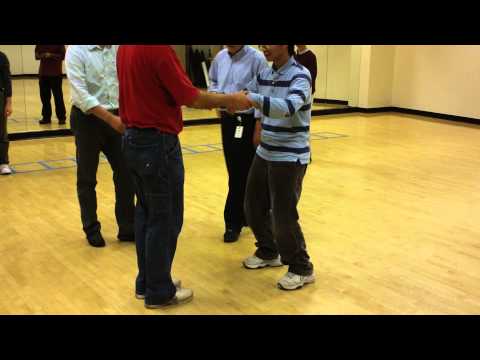
Root Stand Sample: Demonstrating Tai Chi Rooting Fundamentals
Key Takeaways
- Root stand (zhan zhuang) is one of the most fundamental training methods in Tai Chi
- A strong root means the ability to remain stable and grounded while receiving force
- This video demonstrates what good rooting looks like in practice
- Rooting is not about being rigid or heavy — it is about connecting your structure to the ground
- Regular root stand practice builds the foundation for all other Tai Chi skills
What This Video Shows
Root stand, or standing practice, is the foundation upon which all Tai Chi skills are built. This video demonstrates what effective rooting looks like, providing a visual reference for your own practice.
The demonstration shows how a well-rooted practitioner can maintain stability while receiving various types of force. The key observation is that rooting does not look like bracing or resisting. It looks relaxed, almost effortless. The force passes through the body and into the ground, leaving the practitioner unmoved.
What Is Root?
In Tai Chi terminology, “root” refers to your connection to the ground. A practitioner with good root feels stable and immovable, not because of muscular rigidity but because of structural alignment. The body is organized so that incoming force travels through the skeletal structure directly into the ground.
Think of it this way: a tent pole does not resist the wind with muscle power. It simply transmits the force through its structure into the ground. Your body can do the same thing when properly aligned.
How to Develop Root
Root stand practice is deceptively simple:
- Stand with feet shoulder-width apart, knees slightly bent
- Relax the shoulders, hips, and all major joints
- Imagine sinking your weight into the ground through the soles of your feet
- Maintain this relaxed, sinking posture for increasing periods of time
- Start with 2-3 minutes and gradually work up to 15-20 minutes
The challenge is that maintaining relaxation while standing still is harder than it sounds. Tension creeps in through the shoulders, the lower back tightens, and the mind wants to wander. Each of these disruptions weakens your root.
Root in Push Hands
The practical application of root becomes evident in push hands. When a partner pushes you and you have good root, the force transmits through your structure to the ground. You do not need to push back or brace. You simply stand, and the push dissipates harmlessly.
Without root, you have to fight the push with muscular effort, which is exhausting and eventually overwhelmed by a stronger or more skilled partner.
How to Get the Most From Watching
Watching demonstration and training videos is most productive when you approach them actively rather than passively. Here are strategies for extracting maximum value:
First Watch: Watch the entire video without trying to analyze anything. Let the overall impression settle in. Notice what catches your attention naturally.
Second Watch: Focus on specific elements. Watch only the feet. Watch only the hands. Watch the relationship between the two practitioners. Each focused viewing reveals details you missed before.
Physical Practice: After watching, stand up and try the movements or concepts you observed. Even imperfect imitation builds neuromuscular connections that purely visual learning cannot create.
Reflection: After practicing, watch the video again. You will notice things that only become visible after you have attempted the movements yourself. This watch-practice-watch cycle is one of the most effective self-learning methods available.
Note-Taking: Keep a practice journal where you record observations, questions, and insights from your viewing. Over time, this journal becomes a personalized training guide that tracks your development.
For training methods that develop root, see the push hands basic training series or the beginners’ force measurement exercises. For the related standing form, check out the 8 Section Brocade Qigong.