 Genius Asian
 Tai Chi Push Hands For Beginners, Part 3
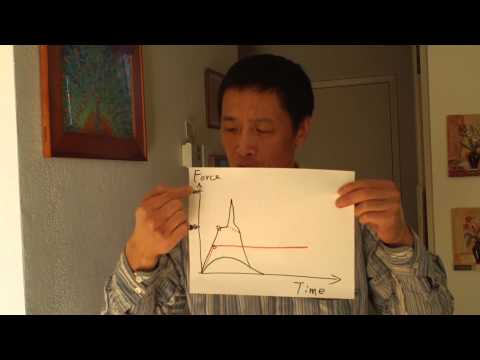
Tai Chi Push Hands for Beginners Part 3: Measuring Force and Root Stand
Key Takeaways
- This part introduces force measurement as a training tool for beginners
- For beginners, redirecting maximum force to the ground (higher numbers) indicates better root
- At advanced levels, the goal reverses — lighter force means better skill at neutralization
- Measurable feedback helps beginners track objective progress
- Training methods that work at one level may need to be abandoned at the next level
What This Video Shows
Part 3 of the beginners’ series takes an innovative approach to training by introducing actual force measurement. Rather than relying solely on subjective feel, the video shows how to use measurable feedback to evaluate the effectiveness of your root stand.
The concept is simple but clever: when someone pushes you, how much force can you redirect to the ground while maintaining your stance? For beginners, higher numbers mean better rooting. You are learning to channel incoming force through your structure into the ground rather than absorbing it in your muscles.
The Force Measurement Approach
Using measurable forces brings objectivity to something that is usually judged entirely by feel. This matters for beginners because without experience, it is hard to tell whether you are actually improving or just imagining progress.
The measurement approach works like this:
- A partner pushes with consistent force
- You attempt to root and redirect the force to the ground
- The more force you can handle while staying rooted, the better your structure
This gives you a concrete number to track over time. If last week you could handle 20 pounds of push and this week you can handle 25, you have measurable evidence of improvement.
The Advanced Reversal
Here is the twist: at higher levels, the measurement goal completely reverses. Instead of redirecting maximum force to the ground (which requires structural resistance), the advanced practitioner neutralizes the incoming force so effectively that very little force registers at all. The push seems to vanish.
This reversal perfectly illustrates the concept from Master Wang: when you cross the river, you no longer need the boat. The training tools that serve you as a beginner become obsolete as you advance.
Practical Training Tips
For beginners working on root stand:
- Start against a wall to understand the feeling of force transmission through your structure
- Practice with a partner who pushes consistently rather than trying to knock you over
- Focus on connecting your entire structure from contact point to feet
- Keep your knees slightly bent and your weight centered over your base
- Track your progress over weeks, not days
Building a Sustainable Practice
The journey of Tai Chi development is measured in months and years, not days and weeks. Here are principles that will serve you well regardless of where you are in your practice:
Consistency Over Intensity: Ten minutes of daily practice produces better results than a three-hour session once a week. Your nervous system needs regular input to build the pathways that make push hands and form work effective. Treat your practice like brushing your teeth — something you simply do every day, not something you negotiate with yourself about.
Quality Over Quantity: Slow, mindful repetitions with full attention are worth more than hundreds of distracted repetitions. When you practice, be present. Feel each weight shift, notice each point of tension, and consciously release what does not serve the movement.
Patience With Plateaus: Everyone hits periods where improvement seems to stall. These plateaus are not signs of failure — they are periods of integration where your nervous system is consolidating what it has learned. Continue practicing through plateaus and breakthroughs will come.
Community and Sharing: Tai Chi was traditionally learned in community, and that model remains the most effective. Practice with different partners, discuss your experiences, and share what you discover. The more perspectives you encounter, the richer your understanding becomes.
For the next part in this series, see Part 4 which shares a 9-minute daily routine. For the basic training approach from Master Byron, see Push Hands Basic Training Part 1.