 Genius Asian
 Safer: Rotate Tires Without Any Special Tools
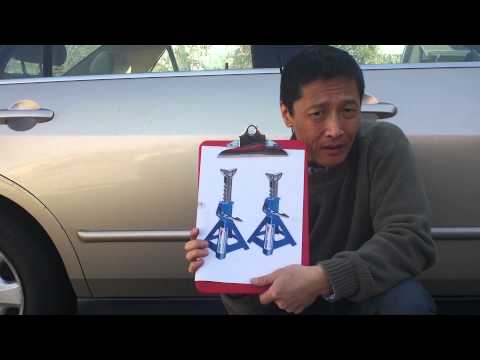
Safer: Rotate Tires Without Any Special Tools
Key Takeaways
- You can rotate your tires using only the jack and compact spare that came with your car
- This method avoids the need for jack stands, which many car owners do not have
- The compact spare tire serves as a temporary placeholder during the rotation process
- Safety is the primary concern — this method is designed to minimize the time spent with the car raised on a single jack
- Some vehicles, like certain BMWs with run-flat tires, do not come with a spare and cannot use this method
Why Rotate Your Tires
Tire rotation extends the life of your tires by ensuring they wear evenly. Front tires typically wear faster than rear tires because they handle both steering and braking forces. Without rotation, front tires might need replacement years before rear tires, wasting money and potentially creating handling imbalances.
Most manufacturers recommend rotation every 5,000-7,500 miles, which typically coincides with every other oil change. A shop charges $20-50 for this service, but if you have a driveway and your car’s standard equipment, you can do it yourself for free.
The Problem with Standard Methods
The traditional DIY tire rotation requires lifting two corners of the car simultaneously, which typically needs at least two jack stands in addition to a jack. Many car owners do not own jack stands, and some people who do own them use them incorrectly, creating dangerous situations. Floor jacks and jack stands are specialized tools that require proper positioning on the vehicle’s designated lift points.
The method demonstrated in this video eliminates the need for jack stands entirely by using the compact spare tire that already came with your car as an intermediary.
The Rotation Method
The basic principle is simple: use the compact spare as a temporary wheel while moving each tire to its new position. The sequence works like this:
- Remove one wheel using the car’s jack and lug wrench, and put the compact spare in its place. Lower the car.
- Move to the next position in the rotation pattern. Jack up that corner, remove the wheel, and install the wheel you just removed.
- Continue the rotation pattern, always using the compact spare as a placeholder for the wheel currently in transit.
- Complete the circuit until all four tires are in their new positions and the compact spare is back in its storage location.
This method means the car is only up on the single factory jack for the brief time needed to swap one wheel. The car is resting on four wheels (including the temporary spare) at all other times, which is significantly safer than having it elevated on jack stands.
Safety Considerations
Even with this safer method, observe these precautions: always work on a flat, level, hard surface (never on grass, gravel, or an incline), engage the parking brake before lifting any wheel, loosen the lug nuts slightly before lifting the car (while the tire still has traction on the ground), tighten lug nuts in a star or cross pattern after lowering, and torque the lug nuts to the manufacturer’s specification after driving a short distance.
Rotation Patterns
For most front-wheel-drive vehicles, the front tires move straight to the back, and the rear tires cross to the opposite front positions. For rear-wheel-drive vehicles, the pattern is typically reversed. All-wheel-drive vehicles may use an X-pattern where all tires cross diagonally. Check your owner’s manual for the recommended pattern.
Checking Tire Condition During Rotation
Tire rotation is also the perfect time to inspect each tire for signs of uneven wear, sidewall damage, embedded objects, and remaining tread depth. Use the penny test to check tread depth: insert a penny headfirst into the tread groove. If you can see all of Lincoln’s head, the tread is below 2/32 inch and the tire should be replaced. Also check the tire pressure of all four tires and the spare while they are accessible, and adjust to the manufacturer’s recommended pressure (found on the driver’s door jamb sticker). Catching tire problems early during rotation prevents more expensive issues later, such as blowouts or uneven wear that shortens the life of an otherwise good tire.
For more car maintenance, see changing transmission fluid and windshield crack repair.