 Genius Asian
 Sample How To Train Relax, Empty, Round, Fulfill In Taiji Form, Part 1
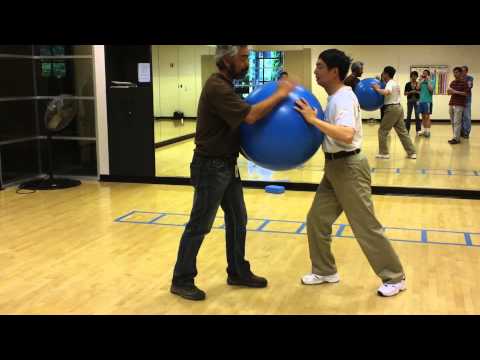
Training Relax, Empty, Round, and Fulfill in Taiji Form: Part 1
Key Takeaways
- This video demonstrates how to incorporate the Song Kong Yuan Man qualities into Taiji form practice
- Theory becomes real when applied to actual movement sequences
- Each movement in the form is an opportunity to practice these four qualities
- The demonstration shows what correct expression of these qualities looks like
- Bridging the gap between philosophical understanding and physical execution is the central challenge
What This Video Shows
The concepts of Song (relax), Kong (empty), Yuan (round), and Man (fulfill) were introduced theoretically in an earlier lesson. This video shows how to actually train these qualities within the Taiji form. Theory without practice is empty; this demonstration fills the gap.
The video walks through form movements while pointing out where and how each of the four qualities should be expressed. This practical application transforms abstract concepts into embodied experience.
From Theory to Practice
Many Tai Chi students understand Song Kong Yuan Man intellectually but struggle to express these qualities in their movement. The gap between knowing and doing is where this video adds value.
The demonstration shows:
- What Song looks like in each movement — the specific tensions to release
- Where Kong manifests — the moments of emptiness between actions
- How Yuan expresses — the roundness of arm paths and body positions
- When Man is present — the fullness that completes each posture
Training Approach
Rather than trying to express all four qualities simultaneously (which is the long-term goal), start by focusing on one quality per practice session:
- Monday: Practice the form focusing only on Song (releasing tension)
- Tuesday: Practice focusing on Kong (finding emptiness)
- Wednesday: Practice focusing on Yuan (maintaining roundness)
- Thursday: Practice focusing on Man (developing fullness)
- Repeat and gradually integrate
How to Get the Most From Watching
Watching demonstration and training videos is most productive when you approach them actively rather than passively. Here are strategies for extracting maximum value:
First Watch: Watch the entire video without trying to analyze anything. Let the overall impression settle in. Notice what catches your attention naturally.
Second Watch: Focus on specific elements. Watch only the feet. Watch only the hands. Watch the relationship between the two practitioners. Each focused viewing reveals details you missed before.
Physical Practice: After watching, stand up and try the movements or concepts you observed. Even imperfect imitation builds neuromuscular connections that purely visual learning cannot create.
Reflection: After practicing, watch the video again. You will notice things that only become visible after you have attempted the movements yourself. This watch-practice-watch cycle is one of the most effective self-learning methods available.
Note-Taking: Keep a practice journal where you record observations, questions, and insights from your viewing. Over time, this journal becomes a personalized training guide that tracks your development.
Daily Practice Framework
To train these four qualities effectively, consider structuring your daily practice around them. Begin each session by standing quietly and finding Song — release any tension from your day. Then cultivate Kong — empty your mind of expectations and plans. As you begin moving through the form, maintain Yuan — keep every arc complete and round. Finally, express Man — let each posture be full and complete before transitioning. Over time, these separate checks merge into a single, unified awareness. For the theoretical foundation, see Song Kong Yuan Man. For the complete form, see the Tai Chi 108 Steps Form.