 Genius Asian
 Tai Chi 2-Person Push Hands Practice, Part 1
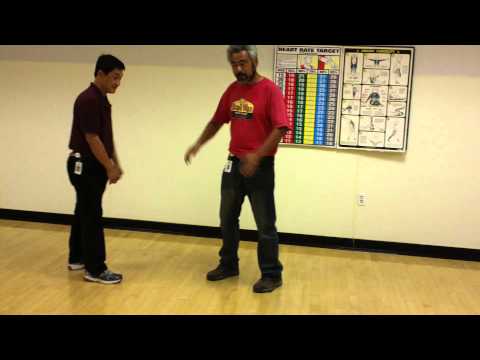
Tai Chi 2-Person Push Hands Practice Part 1
Key Takeaways
- This video captures actual two-person push hands practice sessions
- Watching real practice (not choreographed demonstration) provides realistic expectations
- The exchanges show the messiness and beauty of genuine push hands training
- Practitioners at various skill levels demonstrate different approaches and challenges
- Real practice footage is more instructional than polished demonstrations for learning purposes
What This Video Shows
Unlike the structured training series, this video captures actual push hands practice sessions between two practitioners. There is no choreography, no predetermined outcome, and no editing to make it look smooth. This is push hands as it actually happens in training.
The result is more instructional than many polished tutorials because it shows the real challenges: the moments of uncertainty, the imperfect techniques, the recoveries from mistakes, and the occasional moments of genuine skill that emerge from sustained practice.
The Value of Watching Real Practice
Most push hands videos online fall into two categories: demonstrations by masters (which look effortless and impossibly smooth) and competitions (which often devolve into wrestling). What is rare and valuable is footage of regular practitioners training at a realistic level.
This video fills that gap. You see practitioners who have real skill but are still developing. Their exchanges include:
- Successful applications of Peng Lu Ji An principles
- Moments where structure breaks and recovery is needed
- Experiments with timing and distance
- The natural rhythm of give and take in cooperative training
Learning From Real Exchanges
When watching these practice sessions, pay attention to:
- How practitioners maintain or lose their root during dynamic exchanges
- The moments when relaxation is maintained versus when tension creeps in
- How weight shifts create opportunities and how missed shifts create vulnerabilities
- The communication between partners — when to push, when to yield, when to reset
How to Get the Most From Watching
Watching demonstration and training videos is most productive when you approach them actively rather than passively. Here are strategies for extracting maximum value:
First Watch: Watch the entire video without trying to analyze anything. Let the overall impression settle in. Notice what catches your attention naturally.
Second Watch: Focus on specific elements. Watch only the feet. Watch only the hands. Watch the relationship between the two practitioners. Each focused viewing reveals details you missed before.
Physical Practice: After watching, stand up and try the movements or concepts you observed. Even imperfect imitation builds neuromuscular connections that purely visual learning cannot create.
Reflection: After practicing, watch the video again. You will notice things that only become visible after you have attempted the movements yourself. This watch-practice-watch cycle is one of the most effective self-learning methods available.
Note-Taking: Keep a practice journal where you record observations, questions, and insights from your viewing. Over time, this journal becomes a personalized training guide that tracks your development.
Practice Session Structure
A productive push hands practice session typically follows a natural arc: begin with gentle, cooperative exchanges to warm up; gradually increase intensity and spontaneity; then cool down with slower, more meditative practice. This structure allows both partners to engage their full capacity during the middle portion while starting and ending in a relaxed state that promotes learning over competition. For Part 2 of this practice footage, see 2-Person Push Hands Practice Part 2. For the foundational training that prepares you for this kind of practice, start with the push hands basic training series.