 Genius Asian
 Tai Chi 2-Person Push Hands Practice, Part 2
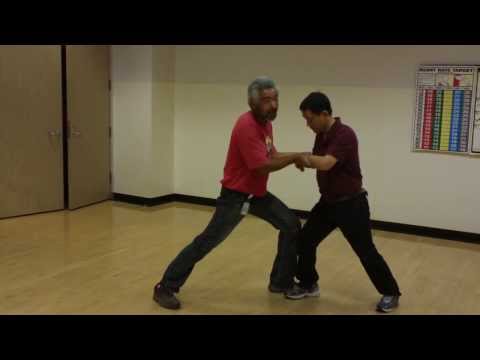
Tai Chi 2-Person Push Hands Practice Part 2
Key Takeaways
- Part 2 continues documenting real push hands practice sessions between practitioners
- The exchanges show natural variation in energy, timing, and technique
- Real practice footage provides more educational value for developing practitioners than polished demonstrations
- The dynamics between partners evolve as the session progresses
- Watching others practice helps develop your eye for push hands mechanics
What This Video Shows
Continuing from Part 1, this second installment captures more real-time push hands practice. The practitioners continue their exchanges with increasing fluidity and responsiveness. As the session progresses, both practitioners warm up and begin to show more spontaneous responses.
The footage is unedited and unrehearsed, giving viewers an authentic look at what push hands training actually involves at a developing level.
The Evolution of a Practice Session
Push hands sessions have a natural arc. Early exchanges tend to be more tentative and mechanical. As both partners warm up physically and mentally, the exchanges become more dynamic and fluid. By the middle of a session, the best push hands often emerges — patterns that were rehearsed become spontaneous, and genuine exchanges of energy occur.
This natural progression is visible in the video and provides a model for your own practice sessions. Do not expect your best work in the first five minutes. Allow time for both you and your partner to settle into the practice.
Developing Your Eye
One of the benefits of watching real practice footage is developing the ability to see what is happening in push hands exchanges. At first, push hands looks like two people gently swaying together. As your eye develops, you begin to see the weight shifts, the structural adjustments, the moments of advantage and recovery.
How to Get the Most From Watching
Watching demonstration and training videos is most productive when you approach them actively rather than passively. Here are strategies for extracting maximum value:
First Watch: Watch the entire video without trying to analyze anything. Let the overall impression settle in. Notice what catches your attention naturally.
Second Watch: Focus on specific elements. Watch only the feet. Watch only the hands. Watch the relationship between the two practitioners. Each focused viewing reveals details you missed before.
Physical Practice: After watching, stand up and try the movements or concepts you observed. Even imperfect imitation builds neuromuscular connections that purely visual learning cannot create.
Reflection: After practicing, watch the video again. You will notice things that only become visible after you have attempted the movements yourself. This watch-practice-watch cycle is one of the most effective self-learning methods available.
Note-Taking: Keep a practice journal where you record observations, questions, and insights from your viewing. Over time, this journal becomes a personalized training guide that tracks your development.
Finding Practice Partners
If you do not have a regular push hands partner, consider these options: attend local Tai Chi classes that include partner work, post in Tai Chi forums for your area, visit parks where practitioners gather for morning practice, or introduce push hands to a friend who might be interested in martial arts. Even occasional partner sessions provide valuable feedback that sustains your solo practice between meetings. For the beginning of this practice series, see Part 1. For the training that prepares you for this kind of practice, see the basic training series.