 Genius Asian
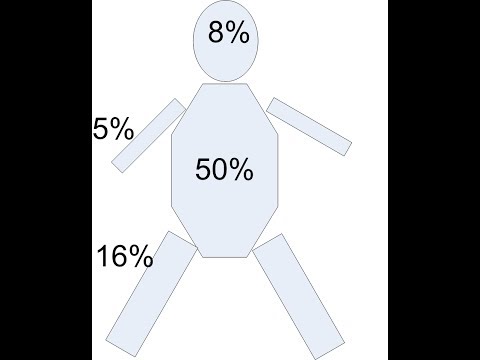
 Tai Chi Push Hands For Beginners, Part 8, Trunk is 50% Weight
Tai Chi Push Hands For Beginners, Part 8, Trunk is 50% Weight
Key Takeaways
- The trunk (torso) represents over 50 percent of total body weight and is the most impactful area for push hands improvement
- Focusing on trunk control is the low-hanging fruit for beginners seeking rapid improvement
- Increasing motor cortex control of the trunk is more productive than perfecting hand techniques
- Some unconventional training methods may be considered wrong in traditional terms but can accelerate learning
- Training aids and devices can help beginners develop body awareness faster than traditional methods alone
Why the Trunk Matters Most
In Tai Chi push hands, beginners naturally focus on what they can see: the hands and arms. But Master Byron Zhang points out a critical mathematical reality — your trunk (the torso from shoulders to hips) represents over 50 percent of your total body weight. Your arms, by contrast, represent only about 10 percent. If you spend all your practice time refining arm movements while ignoring the trunk, you are optimizing the minority while neglecting the majority.
This insight from Master Zhuanghong Wang’s writings reframes the beginner’s priorities. Instead of trying to perfect sophisticated hand techniques, beginners should focus on developing awareness and control of the trunk. This is the low-hanging fruit that yields the fastest improvement with the least effort.
The Motor Cortex Connection
The human brain devotes different amounts of neural territory (motor cortex) to different body parts. The hands and face get a disproportionately large share because we use them for fine manipulation and expression. The trunk gets relatively less, which is why most people have poor conscious control over their torso movement.
Tai Chi push hands requires you to move and control the trunk with a level of precision that most adults have never developed. The goal of this training is literally to expand the motor cortex territory dedicated to trunk control, rewiring the brain to give you finer and more responsive control over the largest portion of your body mass.
Unconventional Training Methods
Master Byron Zhang is forthright about his approach: some of the training methods he shares are not traditional Tai Chi practice. Some might even be considered “wrong” by strict traditionalists. But his reasoning is practical — for adult beginners who come to Tai Chi with decades of bad movement habits, sometimes unconventional approaches provide the fastest path to improvement.
As Master Wang himself wrote: “When you have crossed the river, you no longer need the boat.” The training methods that get you from point A to point B may need to be discarded once you advance to the next level. This is normal and expected in any progressive learning system.
Practice Approaches for Trunk Awareness
Several exercises develop trunk awareness for push hands beginners. Standing practice (Zhan Zhuang) with attention directed to the torso rather than the extremities builds baseline awareness. Slow turning movements initiated entirely from the waist, with the arms hanging passively, develops the ability to move the trunk independently. Partner exercises where one person gently pushes the other’s torso (not arms) helps the receiver feel and respond to force applied to the trunk directly.
Training Aids
The video introduces a demonstration of a training device designed specifically for beginners. While the channel may not pursue further development unless there is significant viewer interest, the concept illustrates the value of physical feedback tools in accelerating the learning process. A device that provides resistance or feedback when the trunk moves correctly (or incorrectly) can short-circuit the trial-and-error process that otherwise takes months or years.
The Beginner’s Path
This video is part 8 of the push hands for beginners series, reflecting a progressive curriculum that builds on earlier fundamentals. The overarching philosophy is to set small, achievable goals that maintain motivation, find the approach that works for your individual body and background, and accept that the path to mastery is long but every small improvement counts.
For more in the series, see how to practice push and receive push and gravity center in form training.