 Genius Asian
 Tai Chi (Tai Ji) Fair Lady Works The Shuttles 玉女穿梭
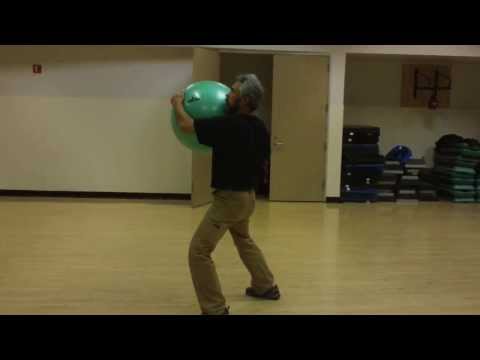
Tai Chi (Tai Ji) Fair Lady Works The Shuttles 玉女穿梭
Key Takeaways
- Fair Lady Works the Shuttles is an elegant and martially significant posture in the Tai Chi form
- Master Byron Zhang demonstrates his interpretation of the movement mechanics and applications
- The posture involves a coordinated block-and-strike combination with a turning step
- It appears in the 24-form and is expanded in the 108-form to cover all four diagonal corners
- Understanding the shuttle metaphor helps practitioners grasp the weaving quality of the movement
About Fair Lady Works the Shuttles
Fair Lady Works the Shuttles (Yu Nu Chuan Suo) is one of the more visually distinctive postures in Yang-style Tai Chi. The name comes from the image of a woman working at a loom, pushing the shuttle back and forth through the threads. In the Tai Chi context, the arms mimic this shuttle motion — one arm rises to block overhead while the other pushes forward.
In the 24-form, this posture typically appears once or twice. In the longer 108-form, it is performed four times, once toward each diagonal corner, creating a pattern that covers all four oblique directions. This makes it one of the few postures in the form that explicitly addresses diagonal attacks.
The Movement Mechanics
The Turn: From the preceding posture, turn your body toward the diagonal direction. This turn is initiated by the waist, and the feet adjust to accommodate the new facing.
The Step: Step toward the diagonal corner with a bow stance. The step should be light and controlled, with weight transferring gradually from back to front.
The Rising Block: One arm rises with the forearm angled upward to deflect an incoming overhead or diagonal strike. The energy is Peng — an expanding, lifting quality that redirects force upward and away.
The Forward Press: Simultaneously with the rising block, the other hand pushes forward at chest height. This is the An (push) energy directed at the opponent’s center. The two actions together create a simultaneous defense-and-attack combination.
The Whole-Body Connection: As with all Tai Chi movements, the arms do not move independently. The rising block and forward press are driven by the waist rotation and the forward weight shift. The hands arrive at their positions because the body puts them there, not because the shoulders and arms act alone.
Martial Applications
The primary application involves defending against an overhead attack while simultaneously counterattacking. If someone swings down toward your head, the rising arm deflects the strike upward while your other hand strikes their exposed center. The diagonal stepping adds the element of moving off the line of attack rather than meeting force head-on.
A secondary application involves grabbing and controlling the opponent’s arm with the rising hand while the lower hand strikes. The turning step allows you to redirect their momentum past you.
Practice Points
- Keep the elbow of the rising arm slightly bent and relaxed — a locked, straight arm creates tension and is vulnerable to being pulled
- The forward-pressing palm should be at chest height, not above the shoulder
- The waist should face the same diagonal as the forward foot
- Breathe out during the push, breathe in during the preparation and turn
Connecting to Other Postures
Fair Lady Works the Shuttles shares principles with several other Tai Chi postures. The rising block uses the same Peng energy found in Ward Off. The forward push uses the same An energy found in Push. The diagonal stepping pattern relates to the 5 Steps concept of looking left and gazing right.
For more Tai Chi posture analysis, see Wild Horse Shakes Its Mane and the 13 Postures framework.