 Genius Asian
 Taiji (Tai Chi) Momentum Power Study
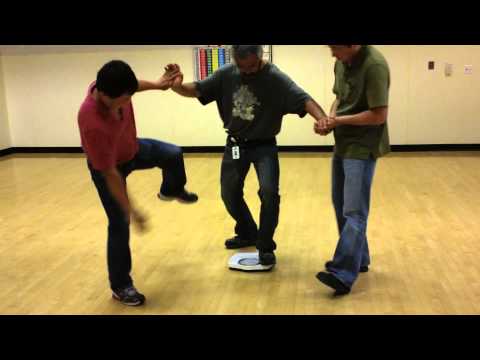
Taiji Momentum Power Study: Measuring Force and Understanding Mechanics
Key Takeaways
- This study uses actual measurements of weights and forces to understand Tai Chi power mechanics
- Practicing against a wall allows you to perfect your technique with consistent, honest feedback
- The physics of momentum (mass times velocity) explains why body weight transfer is more powerful than arm pushing
- Measurement brings objectivity to what is often taught through subjective feeling alone
- These tips from Master Byron apply directly to push hands practice improvement
What This Video Shows
This video takes a scientific approach to understanding Tai Chi power generation. Rather than relying solely on verbal descriptions of what “good power” feels like, it introduces actual measurement of the forces involved. By exploring the physics of momentum, weight distribution, and force transmission, you can better understand why certain techniques work and others do not.
The study includes tips from Master Byron Zhang specifically for improving push hands practice, grounded in measurable physical principles rather than mystical language.
The Physics of Tai Chi Power
At its core, Tai Chi power follows basic physics. Momentum equals mass times velocity. When you push with just your arms, you are applying force using a small mass (your arms) at whatever velocity you can generate. When you push with your body weight, you are applying a much larger mass.
The key measurements to understand:
- Your arm mass is roughly 5-10% of your total body weight
- Your body mass is 100% of your body weight
- Even at lower velocity, total body momentum far exceeds arm-only momentum
- Force = rate of change of momentum — a connected body delivers more force than disconnected arms
Wall Practice
Practicing against a wall provides the most consistent and honest feedback for developing power delivery. The wall does not move, does not yield, and does not give false feedback. When you push correctly, you feel the force transmit cleanly through your structure. When you push incorrectly, you feel compression and strain.
Wall practice drill:
- Stand in push hands stance facing the wall
- Place both palms flat on the wall at chest height
- Practice weight shifting and heel lifting to generate force
- Feel the difference between arm pushing and whole-body pushing
- Use the measurement approach to quantify your improvement over time
Building a Sustainable Practice
The journey of Tai Chi development is measured in months and years, not days and weeks. Here are principles that will serve you well regardless of where you are in your practice:
Consistency Over Intensity: Ten minutes of daily practice produces better results than a three-hour session once a week. Your nervous system needs regular input to build the pathways that make push hands and form work effective. Treat your practice like brushing your teeth — something you simply do every day, not something you negotiate with yourself about.
Quality Over Quantity: Slow, mindful repetitions with full attention are worth more than hundreds of distracted repetitions. When you practice, be present. Feel each weight shift, notice each point of tension, and consciously release what does not serve the movement.
Patience With Plateaus: Everyone hits periods where improvement seems to stall. These plateaus are not signs of failure — they are periods of integration where your nervous system is consolidating what it has learned. Continue practicing through plateaus and breakthroughs will come.
Community and Sharing: Tai Chi was traditionally learned in community, and that model remains the most effective. Practice with different partners, discuss your experiences, and share what you discover. The more perspectives you encounter, the richer your understanding becomes.
For the full power delivery training, see the weight shifting series. For push hands practice application, see the basic training series.