 Genius Asian
 Taiji(Taichi) Learning Common Problem & Adjusting Need
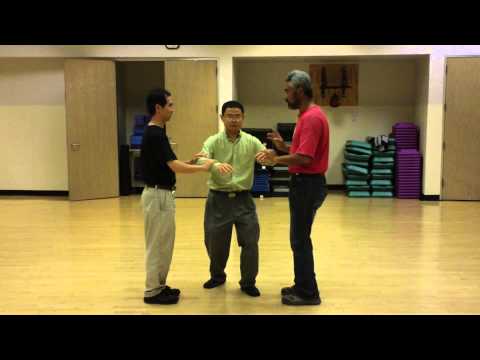
Common Problems in Taiji Learning and How to Adjust
Key Takeaways
- Every Taiji student encounters common problems that are predictable and correctable
- Recognizing common problems is the first step to addressing them
- Adjustments should be personalized — what works for one student may not work for another
- Most problems stem from tension, incorrect weight distribution, or disconnected movement
- Regular feedback from a teacher or video self-review helps identify problems early
What This Video Shows
This video identifies the most common problems that Taiji students encounter and explains the adjustments needed to correct them. Knowing what to look for in your own practice is invaluable because many of these issues are invisible to the practitioner — they feel normal even though they are preventing progress.
The presentation covers problems that affect students at all levels, from beginners who are just learning the form to intermediate practitioners who have been training for years but have hit plateaus.
Common Problems Identified
The most frequently encountered issues include:
- Shoulder tension: The shoulders creep upward during practice, blocking energy flow
- Forward lean: The torso tilts forward, shifting the center of gravity away from the optimal position
- Locked knees: Straight, rigid legs prevent proper weight shifting
- Disconnected arms: The arms move independently rather than being driven by the body’s core rotation
- Inconsistent root: Weight distribution shifts uncontrollably during movements
Making Adjustments
Each problem has specific corrections, but the general approach is:
- Awareness: Identify the problem through teacher feedback, video review, or partner feedback
- Isolation: Practice the specific correction in isolation before integrating it into the full form
- Repetition: Repeat the corrected movement many times to build new muscle memory
- Verification: Re-check periodically to ensure the correction has been maintained
Building a Sustainable Practice
The journey of Tai Chi development is measured in months and years, not days and weeks. Here are principles that will serve you well regardless of where you are in your practice:
Consistency Over Intensity: Ten minutes of daily practice produces better results than a three-hour session once a week. Your nervous system needs regular input to build the pathways that make push hands and form work effective. Treat your practice like brushing your teeth — something you simply do every day, not something you negotiate with yourself about.
Quality Over Quantity: Slow, mindful repetitions with full attention are worth more than hundreds of distracted repetitions. When you practice, be present. Feel each weight shift, notice each point of tension, and consciously release what does not serve the movement.
Patience With Plateaus: Everyone hits periods where improvement seems to stall. These plateaus are not signs of failure — they are periods of integration where your nervous system is consolidating what it has learned. Continue practicing through plateaus and breakthroughs will come.
Community and Sharing: Tai Chi was traditionally learned in community, and that model remains the most effective. Practice with different partners, discuss your experiences, and share what you discover. The more perspectives you encounter, the richer your understanding becomes.
Self-Assessment Strategies
Since many common problems are invisible to the practitioner, developing self-assessment strategies is essential. Recording your practice with a phone camera provides objective feedback that your subjective experience misses. Practicing in front of a mirror reveals postural issues in real time. Working with different partners exposes habits that a single familiar partner might not trigger. And periodically returning to beginner-level exercises reveals how deeply you have internalized the fundamentals. For training methods that address these fundamentals, see the push hands basic training or root stand practice.