 Genius Asian
 Taiji(Taichi) Form Trainig Important Fundamental Focus Feeling
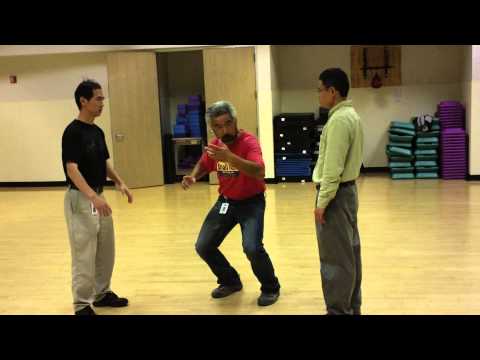
Taiji Form Training: Important Fundamentals of Focus and Feeling
Key Takeaways
- Form training is not about memorizing positions — it is about developing internal feeling
- Focus and awareness during form practice determine the quality and effectiveness of the training
- The external appearance of the form matters less than the internal experience
- Developing feeling takes consistent, focused practice over time
- These fundamental principles apply regardless of which Tai Chi style you practice
What This Video Shows
This video addresses one of the most common misunderstandings in Tai Chi form training: the belief that getting the external positions correct is the primary goal. While correct positions matter, they are the vehicle, not the destination. The real goal of form training is developing internal feeling and awareness.
The demonstration shows what it looks like when form practice is driven by internal focus rather than external mimicry. The difference may not be visible to an untrained eye, but the practitioner’s experience is completely different.
Focus Over Form
When most people learn Tai Chi, they focus on matching the teacher’s external appearance. Arms here, feet there, weight distributed this way. This is necessary at the beginning, but it can become a trap if it remains the primary focus.
True Tai Chi form practice requires shifting focus from what the body looks like to what the body feels like. The questions change from “are my hands in the right position?” to “can I feel the connection from my feet to my hands?”
Developing Feeling
Feeling in Tai Chi is not emotional — it is proprioceptive. It is the awareness of your body’s position, weight distribution, and internal connections. This feeling develops through:
- Slow, mindful practice with attention directed inward
- Repetition that moves from conscious effort to natural awareness
- Releasing tension that blocks the flow of sensation
- Patience with a process that cannot be rushed
Building a Sustainable Practice
The journey of Tai Chi development is measured in months and years, not days and weeks. Here are principles that will serve you well regardless of where you are in your practice:
Consistency Over Intensity: Ten minutes of daily practice produces better results than a three-hour session once a week. Your nervous system needs regular input to build the pathways that make push hands and form work effective. Treat your practice like brushing your teeth — something you simply do every day, not something you negotiate with yourself about.
Quality Over Quantity: Slow, mindful repetitions with full attention are worth more than hundreds of distracted repetitions. When you practice, be present. Feel each weight shift, notice each point of tension, and consciously release what does not serve the movement.
Patience With Plateaus: Everyone hits periods where improvement seems to stall. These plateaus are not signs of failure — they are periods of integration where your nervous system is consolidating what it has learned. Continue practicing through plateaus and breakthroughs will come.
Community and Sharing: Tai Chi was traditionally learned in community, and that model remains the most effective. Practice with different partners, discuss your experiences, and share what you discover. The more perspectives you encounter, the richer your understanding becomes.
For the practical training method, see our lesson on Song Kong Yuan Man. For the complete form, see Tai Chi 108 Steps.