 Genius Asian
 The Cleanest Basic & Advanced Techniques To Use A Public Toilet and Bathroom
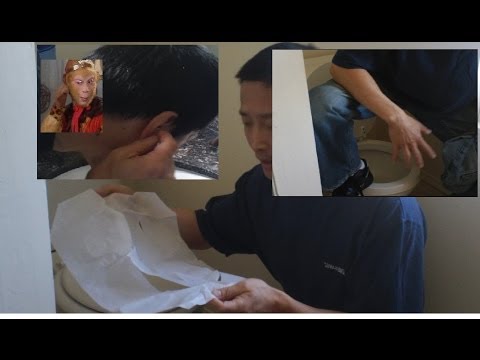
The Cleanest Basic & Advanced Techniques To Use A Public Toilet and Bathroom
Key Takeaways
- Using a public restroom hygienically requires awareness of the most contaminated surfaces and how to avoid them
- Both basic and advanced techniques are covered, from simple precautions to more thorough approaches
- The door handle, faucet knobs, and toilet flush lever are typically the most contaminated surfaces
- Paper towels serve double duty as both hand drying and barrier protection for touching surfaces
- Small behavioral changes can dramatically reduce exposure to harmful bacteria and viruses
The Reality of Public Restrooms
Public restrooms are unavoidable in daily life, but studies consistently show they harbor significant bacterial contamination. The toilet seat, which most people worry about most, is actually not the most contaminated surface — door handles, faucet knobs, and flush levers typically carry higher bacterial loads because they are touched by everyone, including those who did not wash their hands.
Understanding where contamination concentrates allows you to use public restrooms with minimal risk through simple behavioral modifications.
Basic Techniques
Toilet Seat Management: Use a seat cover if available. If not, create one from toilet paper. Alternatively, the hover technique avoids seat contact entirely but requires balance and can create splash issues. The most practical basic approach is to wipe the seat with toilet paper, apply a paper barrier, and sit normally.
Flushing: Use your foot on the flush lever rather than your hand. Most flush levers are robust enough to handle foot pressure. Alternatively, use a piece of toilet paper as a barrier between your hand and the lever.
Handwashing: Wash with soap and water for at least 20 seconds, ensuring you scrub between fingers and under nails. The water temperature matters less than the duration and thoroughness of scrubbing.
Door Exit Strategy: After washing your hands, use a paper towel to turn off the faucet (if not automatic) and to open the exit door. Dispose of the paper towel in the trash can (ideally positioned near the door for this purpose). This prevents recontaminating your clean hands on surfaces that unwashed hands have touched.
Advanced Techniques
The Paper Towel Barrier Method: Take two paper towels at the start of your restroom visit. Use one for all pre-handwashing surface contacts (stall lock, toilet paper dispenser, flush lever). Use the second for post-handwashing contacts (faucet off, door handle). This creates a complete barrier between your skin and contaminated surfaces throughout the entire visit.
Minimizing Touch Points: Develop awareness of how many surfaces you touch and actively minimize the count. Use elbows, forearms, or feet where possible instead of hands. Many doors can be opened with a forearm push rather than a hand grip.
Personal Hygiene Kit: For frequent travelers or those with heightened concerns, carrying a small kit with hand sanitizer, personal paper towels, and disinfecting wipes provides an additional layer of protection.
The Science Behind the Concern
Research published in multiple public health journals has found that restroom surfaces commonly harbor E. coli, Staphylococcus, Streptococcus, and various enteric bacteria. The good news is that proper handwashing alone eliminates the vast majority of risk. The additional techniques described above further reduce an already small residual risk.
Teaching Children
Children need explicit instruction on public restroom hygiene because they naturally touch everything and have not developed the instinctive avoidance behaviors that adults learn over time. Before entering a public restroom with a child, explain the basic rules: wash hands after using the toilet, do not touch the floor or toilet rim, use toilet paper or seat covers when sitting, and let an adult handle the door. Making it a game rather than a lecture helps: ask them to count how few surfaces they can touch during the visit, or challenge them to wash their hands for the full duration of a song. Teaching these habits early creates lifelong hygiene awareness that protects them in countless situations beyond just restroom use, including handling shared objects at school, using public transportation, and navigating crowded public spaces.
For more practical hygiene and health tips, see how to peel garlic easily and preparing for Europe travel.