 Genius Asian
 'Water Tai Chi Dialogue', Excerpts in English, Part 2
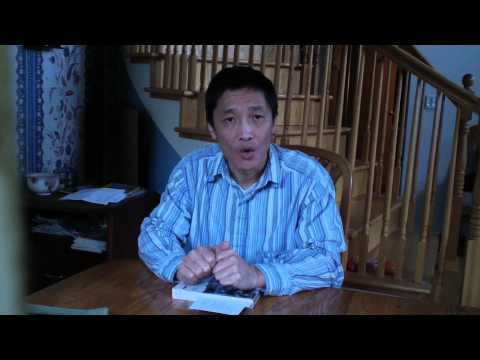
Water Tai Chi Dialogue: English Translation Excerpts Part 2
Key Takeaways
- Part 2 covers section 2 of the foundational Water Tai Chi text, pages 14-20
- Captions are available via the CC button for following along with the translated text
- The translated excerpts make traditionally inaccessible Chinese martial arts philosophy available to English speakers
- The dialogue format captures how wisdom is transmitted through question and answer between master and student
- Critical reading is encouraged since translation inherently involves interpretation
What This Video Shows
Continuing from Part 1, this installment translates key excerpts from section 2 of the Water Tai Chi foundational text. The source book records conversations between Water Tai Chi founder Master Zhuanghong Wang and his students, covering pages 14 through 20 of the original Chinese text.
This section dives deeper into the philosophical underpinnings of Water Tai Chi, moving beyond the introductory concepts of Part 1 into more nuanced territory about the nature of the practice and how it differs from other approaches to Tai Chi.
Accessing the Content
The video includes captions that can be activated by clicking the CC button in the video player. These captions contain the full translated text, allowing you to read along at your own pace. This is especially useful for dense philosophical content that benefits from pausing and reflection.
For the best learning experience:
- Watch the video once through with captions on
- Pause on passages that resonate or challenge you
- Take notes on concepts that relate to your current practice
- Discuss key points with your teacher or practice partners
- Return to specific sections as your understanding deepens
The Translation Challenge
The translator continues to be transparent about the inherent challenges of this work. Chinese martial arts texts are notoriously difficult to translate because they rely on concepts that do not have direct English equivalents. Words like “qi,” “jin,” “yi,” and “song” each carry layers of meaning that a single English word cannot capture.
Additionally, the dialogue format means that Master Wang often responds to specific situations or student questions with answers tailored to that moment. Without the full context of the original conversation, some nuances may be lost or shifted in translation.
This honesty about limitations actually increases the value of the series. Rather than presenting the translations as definitive, the translator invites viewers to engage with the material actively and bring their own practice experience to the interpretation.
Building Your Understanding
This series works best as a companion to physical practice. The philosophical concepts discussed in these dialogues are not abstract ideas — they describe real physical experiences that you can verify in your own body through practice.
The Art of Reading Martial Arts Philosophy
Engaging with translated martial arts texts requires a different approach than reading technical manuals or novels. Here are guidelines for getting the most from these philosophical dialogues:
Read With Your Body: After reading a concept, stand up and try to feel it in your body. Martial arts philosophy is not meant to remain intellectual — it describes physical experiences. The words are pointing at something your body can verify.
Accept Ambiguity: Some concepts will not make sense immediately, and that is perfectly fine. In traditional teaching, certain ideas are planted like seeds that germinate over months or years of practice. Let the unclear passages sit without forcing an interpretation.
Cross-Reference With Practice: The most productive reading happens when you bring specific practice questions to the text. “Why does my push hands feel stuck?” is a better question to bring to these dialogues than a general desire to learn philosophy.
Discuss With Others: Different practitioners will interpret the same passage differently based on their experience. These differences are not contradictions — they are reflections of the richness of the original teaching. Discussion reveals dimensions you cannot see alone.
Return Periodically: The same passage will mean different things to you at different stages of development. What seems abstract today may become your most important insight next year. Keep these translations accessible for periodic re-reading.
For the next section, continue with Part 3. For the practical training that brings these concepts to life, explore the push hands basic training series or the Yang-style Water Taiji form.