 Genius Asian
 'Water Tai Chi Dialogue', Excerpts in English, Part 5
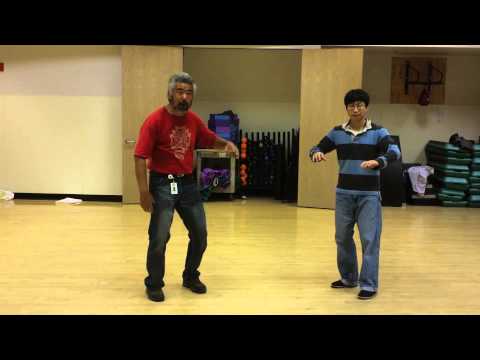
Water Tai Chi Dialogue: English Translation Excerpts Part 5
Key Takeaways
- Part 5 continues the translation of Master Zhuanghong Wang’s foundational dialogues
- The content progresses into increasingly subtle and advanced concepts
- Captions via CC provide the full translated text for careful study
- Each section of the book reveals new layers of Water Tai Chi philosophy
- The translations serve both as philosophical study and practical training guidance
What This Video Shows
The fifth installment in this translation series continues to make the foundational Water Tai Chi text accessible to English speakers. As the book progresses, the conversations become richer and more detailed, reflecting the deepening relationship between master and students.
By this point in the source text, the students have enough practice experience to ask more sophisticated questions, and Master Wang’s answers reveal correspondingly deeper levels of the teaching.
Advanced Concepts
The philosophical territory covered in Part 5 moves beyond the basics into areas that require practice experience to fully appreciate. Reading these excerpts without a regular practice is like reading about swimming without ever entering the water — the words make grammatical sense but lack embodied meaning.
For practitioners with even a few months of regular training, however, these translations can provide breakthrough insights. Sometimes a single sentence from the master reframes an entire aspect of practice, turning frustration into understanding.
Using These Translations in Practice
The most productive way to engage with these later translations is to bring specific practice questions to the viewing. If you are struggling with relaxation, look for passages about song. If push hands feels forced, look for discussions about yielding. The dialogue format often addresses exactly the questions that arise from real training.
The Art of Reading Martial Arts Philosophy
Engaging with translated martial arts texts requires a different approach than reading technical manuals or novels. Here are guidelines for getting the most from these philosophical dialogues:
Read With Your Body: After reading a concept, stand up and try to feel it in your body. Martial arts philosophy is not meant to remain intellectual — it describes physical experiences. The words are pointing at something your body can verify.
Accept Ambiguity: Some concepts will not make sense immediately, and that is perfectly fine. In traditional teaching, certain ideas are planted like seeds that germinate over months or years of practice. Let the unclear passages sit without forcing an interpretation.
Cross-Reference With Practice: The most productive reading happens when you bring specific practice questions to the text. “Why does my push hands feel stuck?” is a better question to bring to these dialogues than a general desire to learn philosophy.
Discuss With Others: Different practitioners will interpret the same passage differently based on their experience. These differences are not contradictions — they are reflections of the richness of the original teaching. Discussion reveals dimensions you cannot see alone.
Return Periodically: The same passage will mean different things to you at different stages of development. What seems abstract today may become your most important insight next year. Keep these translations accessible for periodic re-reading.
For the continuation, see Part 6. For earlier sections, start with Part 1. For practical application, see the Song Kong Yuan Man lesson.