 Genius Asian
 Water Tai Chi (repost)
Water Tai Chi (repost)
Key Takeaways
- Water Tai Chi is a distinctive lineage within the broader Tai Chi tradition emphasizing fluidity and softness
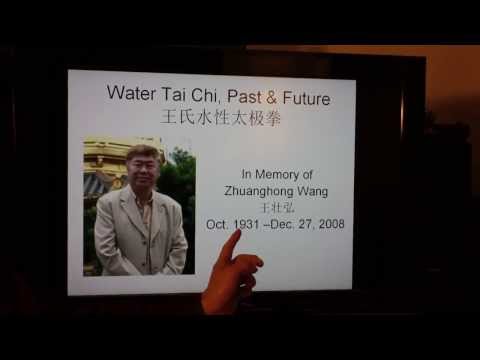
- This video was reposted in memory of Master Zhuanghong Wang, who passed away December 27, 2008
- The video covers the history, lineage, and principles of Water Tai Chi including connections to Ba Gua and Xingyi
- Master Byron Zhang carries on the Water Tai Chi teachings and continues developing the learning experience
- Preserving traditional martial arts through video documentation and community engagement is a core mission
The Legacy of Master Zhuanghong Wang
Master Zhuanghong Wang was a pivotal figure in bringing Water Tai Chi to a wider audience outside of China. His passing in December 2008 left a significant void in the internal martial arts community, but his students — prominently including Master Byron Zhang — have continued his work. They preserve the original teachings while finding new ways to share and develop them through modern media.
This video, first created as a memorial tribute, presents the history and core principles of Water Tai Chi. The reposted shorter version makes the material more accessible to viewers unfamiliar with this distinctive branch of the internal martial arts. Five years after Master Wang’s passing, his influence continues through his students’ dedicated practice and teaching.
What Is Water Tai Chi
Water Tai Chi is a style that takes its guiding metaphor from the properties of water. Like water, the practitioner should flow around obstacles rather than push through them, conform to the shape of whatever they encounter rather than imposing rigid structure, generate tremendous power through accumulated momentum rather than sudden explosive muscular force, and find the path of least resistance while remaining relentless in forward progress.
Water finds cracks, seeps into spaces, and over time can wear away stone. These qualities translate directly into martial arts principles: finding weaknesses in an opponent’s structure, flowing into openings the moment they appear, and applying persistent pressure that is individually small but cumulatively irresistible.
All Tai Chi styles aspire to softness and yielding, but Water Tai Chi makes this principle its central and defining identity. Where other styles might emphasize structure (Peng energy) or spiraling force (Chen style), Water Tai Chi returns always to the quality of flowing adaptability.
Connections to Ba Gua and Xingyi
Water Tai Chi does not exist in isolation within the internal martial arts tradition. The video explores its connections to two other major internal arts:
Ba Gua Zhang (Eight Trigram Palm): Known for its distinctive circle-walking practice and rapid directional changes, Ba Gua shares with Water Tai Chi an emphasis on evasion, flowing movement, and the ability to change direction instantly without telegraphing intent.
Xingyi Quan (Form-Intent Fist): Often considered the most direct and aggressive of the internal arts, Xingyi’s emphasis on powerful linear strikes and advancing pressure provides a complementary perspective to Tai Chi’s yielding approach. Understanding Xingyi’s directness helps Water Tai Chi practitioners appreciate when and how to express force, not just absorb it.
Master Byron Zhang’s lineage incorporates understanding from all three internal arts, creating a richer and more versatile martial education than any single art alone provides.
Preserving Traditional Knowledge
A central theme in this video and throughout the Genius Asian channel is the urgency of preserving traditional martial arts knowledge. Many classical lineages face the risk of being lost as masters age and students scatter geographically. Video documentation, online communities, and collaborative learning platforms all help ensure these traditions survive.
The community forum at basks.com was created specifically for this purpose — a place where practitioners can share practice videos, receive feedback from experienced teachers and peers, and contribute to a growing archive of knowledge.
For more of Master Byron Zhang’s teachings, see push hands practice and gravity center training.