 Genius Asian
 16 Ways To Unclog A Toilet
16 Ways To Unclog A Toilet
Key Takeaways
- There are at least 16 different methods to unclog a toilet, ranging from common tools to creative household solutions
- Before attempting to unclog, use a simple 5-second test to determine if the problem is the main drain or the siphon hole
- Different methods work better for different types of clogs — having multiple options increases your chances of success
- Combining methods often yields better results than relying on a single approach
- Some methods carry risks or potential downsides that are important to understand before attempting
First: Diagnose the Problem
Before spending time and effort unclogging the main drain, it is critical to determine whether the main drain is actually the problem. Some slow-flush or no-flush issues are caused by a blocked siphon jet hole, not a clogged drain. A simple 5-second test can differentiate between the two: pour a bucket of water directly into the bowl. If the water drains quickly, the main drain is clear and the problem is elsewhere (likely the siphon hole or rim jets). If the water backs up, the main drain is indeed clogged and the methods below apply.
The 16 Methods
The methods range from the most common and accessible to more creative solutions for when conventional approaches fail:
Plunger: The classic first-line approach. A flange plunger (with an extended rubber lip) works much better than a flat cup plunger because it creates a better seal in the curved toilet drain. Use firm, rhythmic thrusts to create alternating pressure and suction.
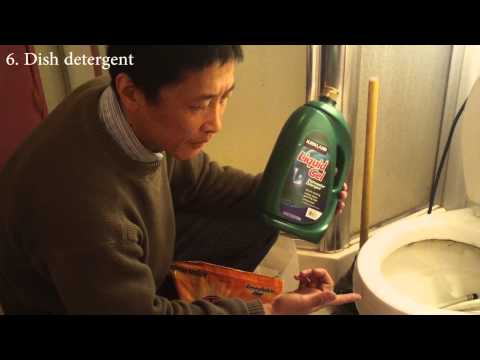
Hot Water and Dish Soap: Pour hot (not boiling) water mixed with dish soap into the bowl. The soap lubricates the clog while the hot water helps dissolve organic material. Let it sit for 15-20 minutes before flushing.
Baking Soda and Vinegar: Pour one cup of baking soda followed by two cups of vinegar into the bowl. The chemical reaction creates fizzing action that can break up soft clogs.
Toilet Auger (Snake): A specialized tool designed to reach deep into the toilet drain. Feed the cable into the drain while turning the handle. This is effective for clogs that are too deep for a plunger to reach.
Wire Hanger: Straighten a wire coat hanger with a small hook at the end, wrap the hook in a rag to prevent scratching the porcelain, and carefully work it into the drain to break up or hook the clog.
Garden Hose: For stubborn clogs, a garden hose inserted into the drain can provide water pressure to force the clog through. This works especially well for clogs deeper in the line. A separate video covers five specific techniques for using a garden hose.
Wet/Dry Vacuum: If you have a wet/dry shop vacuum, it can be used to suck the clog out. Never use a regular household vacuum for this purpose.
Enzyme Drain Cleaners: Biological enzyme cleaners break down organic material over several hours. They are gentler on pipes than chemical drain cleaners.
Plastic Wrap Method: Seal the bowl opening with plastic wrap, press down when flushing, and the trapped air pressure helps force the clog through.
Additional methods include using a mop head as an improvised plunger, creating a pressure burst with a plastic bottle, and various combinations of the above approaches.
Methods to Avoid or Use with Caution
Chemical drain cleaners (like Drano) are not recommended for toilet clogs. They can damage porcelain, harm the wax ring seal, and create dangerous chemical reactions if combined with other products. Boiling water can also crack porcelain due to thermal shock — use hot tap water instead.
Related Plumbing Guides
For more bathroom plumbing solutions, see our guides on how to unclog a kitchen sink and how to unclog a bathroom sink. For other home repairs, check out how to do bathtub caulking.