 Genius Asian
 How To Unclog Bathroom Sink
How To Unclog Bathroom Sink
Key Takeaways
- Bathroom sink clogs are most commonly caused by hair and soap scum buildup in the drain and P-trap
- The pop-up stopper mechanism often collects hair and debris that should be cleaned regularly
- Several methods work well, from simple manual cleaning to chemical treatments
- Removing and cleaning the P-trap is the most thorough approach for stubborn clogs
- Regular preventive maintenance can prevent most bathroom sink clogs entirely
Common Causes
Bathroom sinks clog differently than kitchen sinks. The primary culprits are hair that wraps around the pop-up stopper mechanism and accumulates in the drain, soap scum that combines with hair to form a sticky mass, toothpaste residue that hardens in the drain over time, and small items (jewelry, razor caps, contact lenses) that fall into the drain accidentally.
The combination of hair and soap scum is particularly effective at creating clogs because the hair provides a framework on which soap scum can accumulate, much like sediment collecting on tree branches in a stream.
Method 1: Clean the Pop-Up Stopper
Many bathroom sink clogs are located right at the drain opening, wrapped around the pop-up stopper mechanism. Most pop-up stoppers can be pulled straight out (twist counterclockwise if it does not pull free), revealing a collection of hair and gunk that is the source of the slow drain. Clean the stopper thoroughly, remove any hair and debris from the drain opening visible from above, and replace the stopper.
This five-minute fix solves the majority of bathroom sink drainage problems.
Method 2: Zip-It or Drain Cleaning Tool
For clogs deeper than the stopper but shallower than the P-trap, an inexpensive plastic drain cleaning tool (often called a Zip-It) works well. These thin, barbed plastic strips slide down into the drain and hook the hair and debris as you pull them back out. The barbs on the strip grab hair that would otherwise slip free.
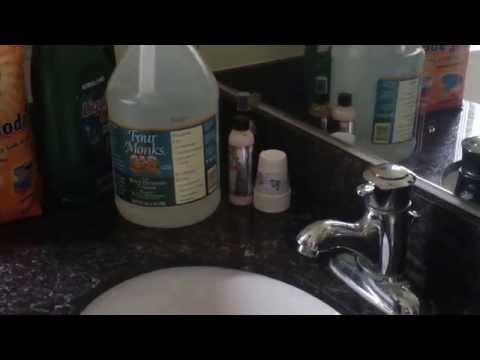
Method 3: Baking Soda and Vinegar
Pour half a cup of baking soda down the drain followed by half a cup of white vinegar. Cover the drain and let the fizzing reaction work for 15-30 minutes. Flush with hot water. This method works well for soft clogs composed mainly of soap scum and minor hair accumulation.
Method 4: Plunger
A small cup plunger can create enough suction and pressure to dislodge bathroom sink clogs. Fill the sink with a few inches of water, seal the overflow opening with a wet cloth or tape (this prevents the pressure from escaping), and plunge vigorously. The alternating pressure and suction can break up clogs and push them through the drain.
Method 5: Clean the P-Trap
For stubborn clogs, remove the P-trap (the curved pipe under the sink) by unscrewing the slip nuts at both ends. Place a bucket underneath to catch water and debris. Clean the trap thoroughly and inspect the horizontal pipe going into the wall for blockages. This method removes whatever is causing the clog with certainty.
Preventing Future Clogs
Install a drain screen or hair catcher to prevent hair from entering the drain. Clean the pop-up stopper monthly. Run hot water down the drain for 30 seconds after each use to flush soap residue. Periodically treat the drain with baking soda and hot water as preventive maintenance.
When to Call a Professional
While most bathroom sink clogs can be resolved with the methods described above, certain situations warrant calling a professional plumber. If multiple drains in your home are slow simultaneously, the problem may be in the main sewer line rather than individual fixtures. If you smell sewer gas coming from the drain (indicating a dry or damaged P-trap), professional inspection is warranted. If your efforts with a drain snake encounter a hard obstruction that will not clear, there may be a collapsed pipe or tree root intrusion that requires specialized equipment. And if the sink drain has been slow for months despite repeated cleaning, there may be a design or installation issue that a plumber should evaluate. The cost of a professional drain cleaning visit typically ranges from $100-250 depending on your location.
For more plumbing guides, see how to unclog a kitchen sink and 16 ways to unclog a toilet.