 Genius Asian
 How To Unclog Kitchen Sink
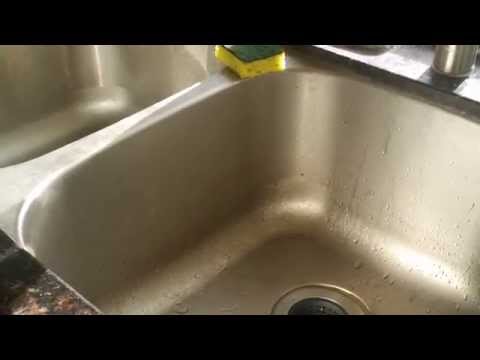
How To Unclog Kitchen Sink
Key Takeaways
- Kitchen sink clogs are usually caused by grease, food particles, and soap residue building up in the drain and P-trap
- Several effective methods exist, from simple hot water flushes to disassembling the P-trap
- A plunger designed for sinks (flat cup style) works differently than a toilet plunger
- Baking soda and vinegar can dissolve grease clogs over time without harsh chemicals
- Preventing clogs through proper disposal habits is easier than clearing them
Common Causes of Kitchen Sink Clogs
Kitchen sinks clog differently than bathroom sinks or toilets. The primary culprits are cooking grease and oil that solidify in the pipes as they cool, food particles that make it past the drain strainer, soap scum that combines with grease to form a stubborn buildup, and coffee grounds or starchy foods like rice and pasta that expand when wet. Understanding what caused the clog helps you choose the most effective clearing method.
Method 1: Boiling Water
The simplest approach works surprisingly often for grease-based clogs. Boil a full kettle of water and pour it directly down the drain in two to three stages, waiting several seconds between pours. The hot water melts solidified grease and flushes it further down the pipe where the larger diameter makes clogging less likely. This method costs nothing and takes two minutes.
Caution: Only use boiling water on metal pipes. If you have PVC drain pipes, use very hot tap water instead, as boiling water can soften PVC joints.
Method 2: Baking Soda and Vinegar
Pour half a cup of baking soda down the drain, followed by half a cup of white vinegar. The chemical reaction produces carbon dioxide gas and a mild cleaning action that can break down organic clogs. Cover the drain opening with a plate or stopper to direct the pressure downward into the clog. Wait 15-30 minutes, then flush with hot water.
For stubborn clogs, repeat the treatment or leave the baking soda and vinegar overnight before flushing.
Method 3: Plunger
Use a flat cup plunger (not a flange plunger designed for toilets). If you have a double-basin sink, seal one drain with a wet cloth while plunging the other to prevent the pressure from escaping through the adjacent basin. Fill the sink with a few inches of water to help create a seal, then plunge vigorously with 15-20 strokes.
Method 4: P-Trap Cleaning
The P-trap is the curved pipe section under the sink that holds standing water to prevent sewer gases from entering your home. It is also where most kitchen clogs accumulate because the curve catches debris.
Place a bucket under the P-trap, unscrew the slip nuts at both ends by hand or with channel-lock pliers, and carefully lower the trap. Dump the contents into the bucket, clean the trap with a brush and hot water, and reassemble. This is the most reliable method for stubborn clogs because you can see and physically remove whatever is blocking the pipe.
Method 5: Drain Snake
If the clog is deeper than the P-trap, a drain snake (auger) can reach further into the pipe. Feed the snake cable into the drain opening or into the pipe with the P-trap removed, turn the handle to advance through the clog, and retract to pull out the debris.
Prevention Tips
Run hot water down the drain after washing dishes with grease. Never pour cooking oil directly down the drain. Use a drain strainer to catch food particles. Periodically flush the drain with baking soda and hot water as preventive maintenance.
For more plumbing solutions, see how to unclog a bathroom sink and 16 ways to unclog a toilet.