 Genius Asian
 8-Energy 5 Steps 13 Postures, Part 3, 八門五步 十三勢
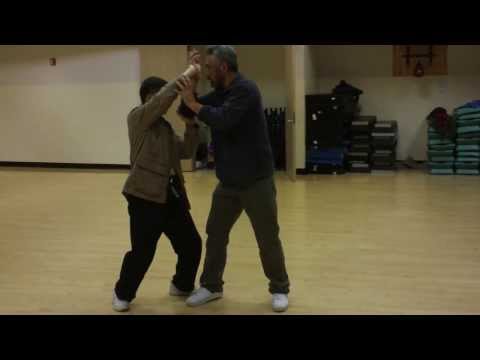
8 Energies, 5 Steps, 13 Postures Part 3: Water, No Muscle, and the Energy Ball
Key Takeaways
- Part 3 concludes the series with the most advanced concepts: letting water move around you, abandoning muscle, and cultivating the energy ball
- The “water” metaphor is central to Water Tai Chi — movement should be fluid, adaptive, and without rigid structure
- Using muscle is the primary obstacle to advancing in Water Tai Chi
- The “energy ball” concept describes a tangible sensation that develops through sustained practice
- Different Tai Chi styles may approach these concepts differently, and that diversity enriches the art
What This Video Shows
In this concluding part, Master Byron Zhang addresses the most abstract and advanced concepts in the 8-5-13 framework. Where Part 1 covered the physical elements and Part 2 introduced mind work, Part 3 bridges into the experiential territory that can only be understood through practice.
Three key concepts are explored: letting water move around you, not using your muscle, and the energy ball. Each of these sounds mystical when described verbally but has concrete, physical meaning in practice.
Let Water Move Around You
The water metaphor in Water Tai Chi is not decorative. It describes a specific quality of movement and response. Water does not resist obstacles — it flows around them. Water does not hold shape — it adapts to its container. Water does not push — it fills available space.
In practical push hands terms, this means:
- When force comes toward you, you do not block it — you flow around it
- When an opening appears, you do not push into it — you fill it naturally
- Your body should have the quality of water: soft, adaptive, yet powerful in its accumulated effect
Abandoning Muscle
The instruction to “not use your muscle” confuses many beginners. Obviously, your muscles are engaged when you move. What Master Byron means is the deliberate, conscious engagement of specific muscles to generate force. In Water Tai Chi, power comes from structure, gravity, and momentum — not from muscular contraction.
This is one of the hardest aspects of the practice because it requires unlearning a lifetime of habits. Every physical activity most people have done — sports, exercise, manual labor — relies on muscular effort. Tai Chi asks you to find a different source of power.
The Energy Ball
The concept of the energy ball describes a sensation that practitioners develop with sustained practice. It feels like holding an invisible sphere between your hands — a tangible sensation of fullness, connection, and energy.
Whether you interpret this as qi, biomechanical feedback, or proprioceptive awareness, the sensation is real and measurable in its effects. Practitioners who develop the energy ball sensation demonstrate improved balance, stronger structural connection, and more effective push hands technique.
Building a Sustainable Practice
The journey of Tai Chi development is measured in months and years, not days and weeks. Here are principles that will serve you well regardless of where you are in your practice:
Consistency Over Intensity: Ten minutes of daily practice produces better results than a three-hour session once a week. Your nervous system needs regular input to build the pathways that make push hands and form work effective. Treat your practice like brushing your teeth — something you simply do every day, not something you negotiate with yourself about.
Quality Over Quantity: Slow, mindful repetitions with full attention are worth more than hundreds of distracted repetitions. When you practice, be present. Feel each weight shift, notice each point of tension, and consciously release what does not serve the movement.
Patience With Plateaus: Everyone hits periods where improvement seems to stall. These plateaus are not signs of failure — they are periods of integration where your nervous system is consolidating what it has learned. Continue practicing through plateaus and breakthroughs will come.
Community and Sharing: Tai Chi was traditionally learned in community, and that model remains the most effective. Practice with different partners, discuss your experiences, and share what you discover. The more perspectives you encounter, the richer your understanding becomes.
For the complete series, start with Part 1. For the complete series, start with Part 1. For practical training in these principles, see push hands basic training or the comprehensive 8 Energies 5 Steps 13 Postures all-in-one.